
Textile Museum Florence – Book Tickets Online to Explore Historic Fabrics, Fashion, and Design in Prato
This website offers official tickets for this venue. Please note, however, that it is not the official website of the venue.

Smartphone tickets

Priority Access Available

Instant confirmation

Flexible cancellation
Smartphone tickets
Why wait?
Instant confirmation
Flexible cancellation





Museo del Tessuto: Admission ticket
Highlights
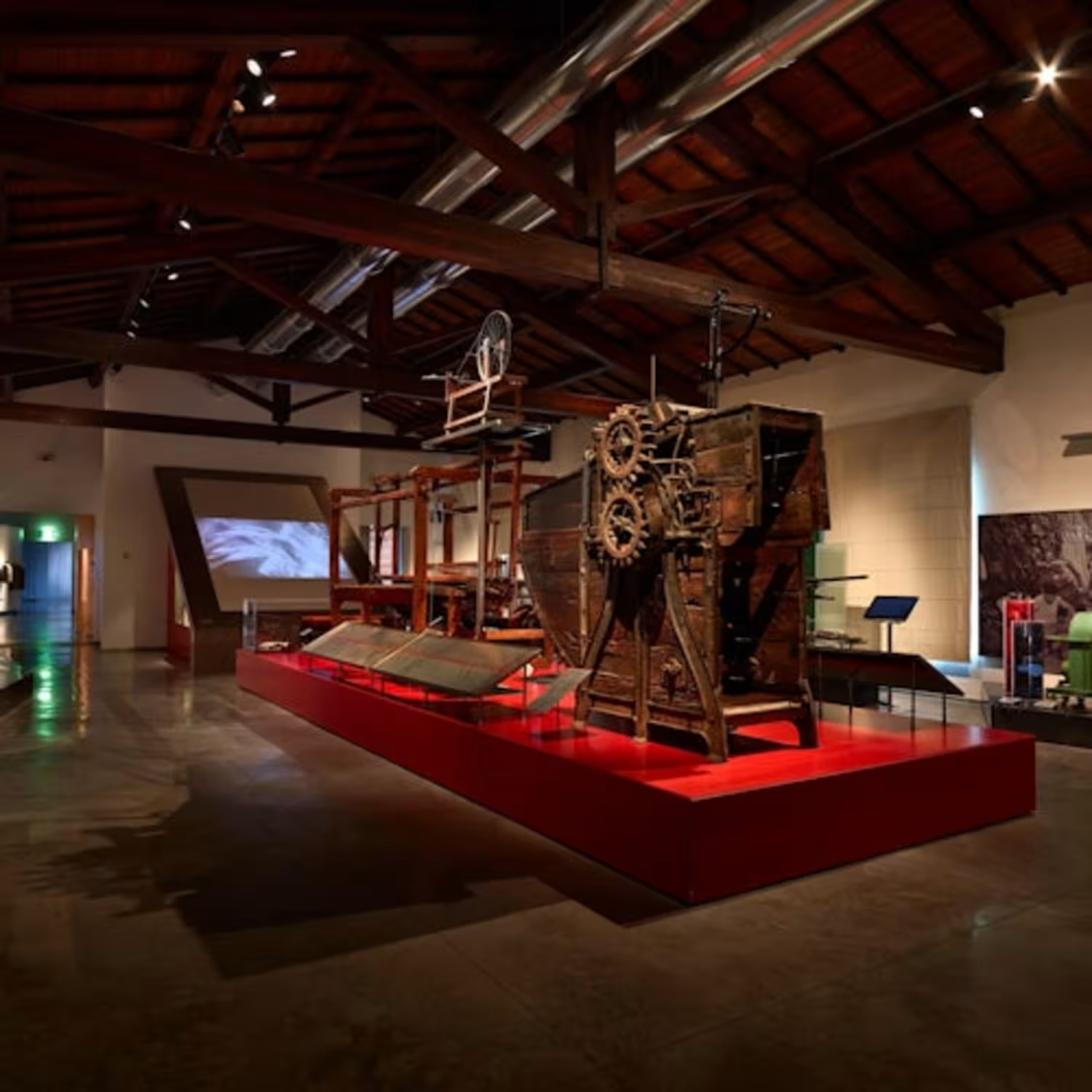
Immerse yourself in the history of textile production in one of Europe’s most important textile districts.
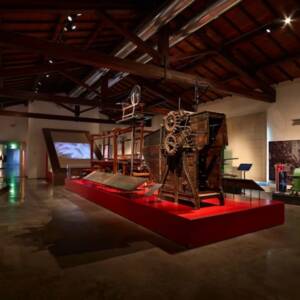
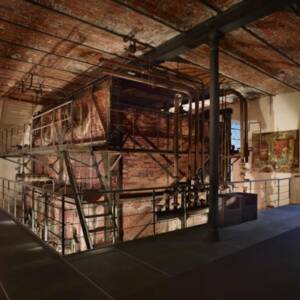
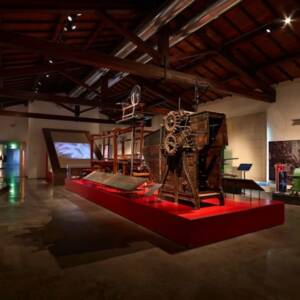
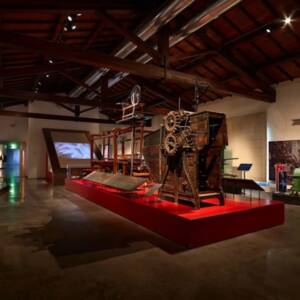
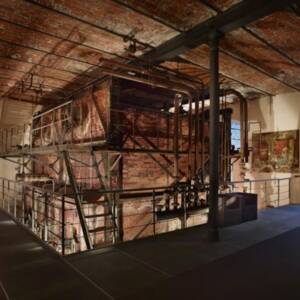
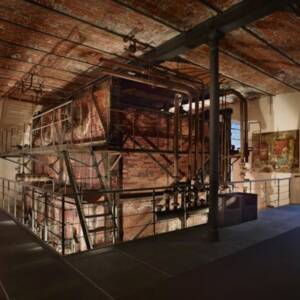
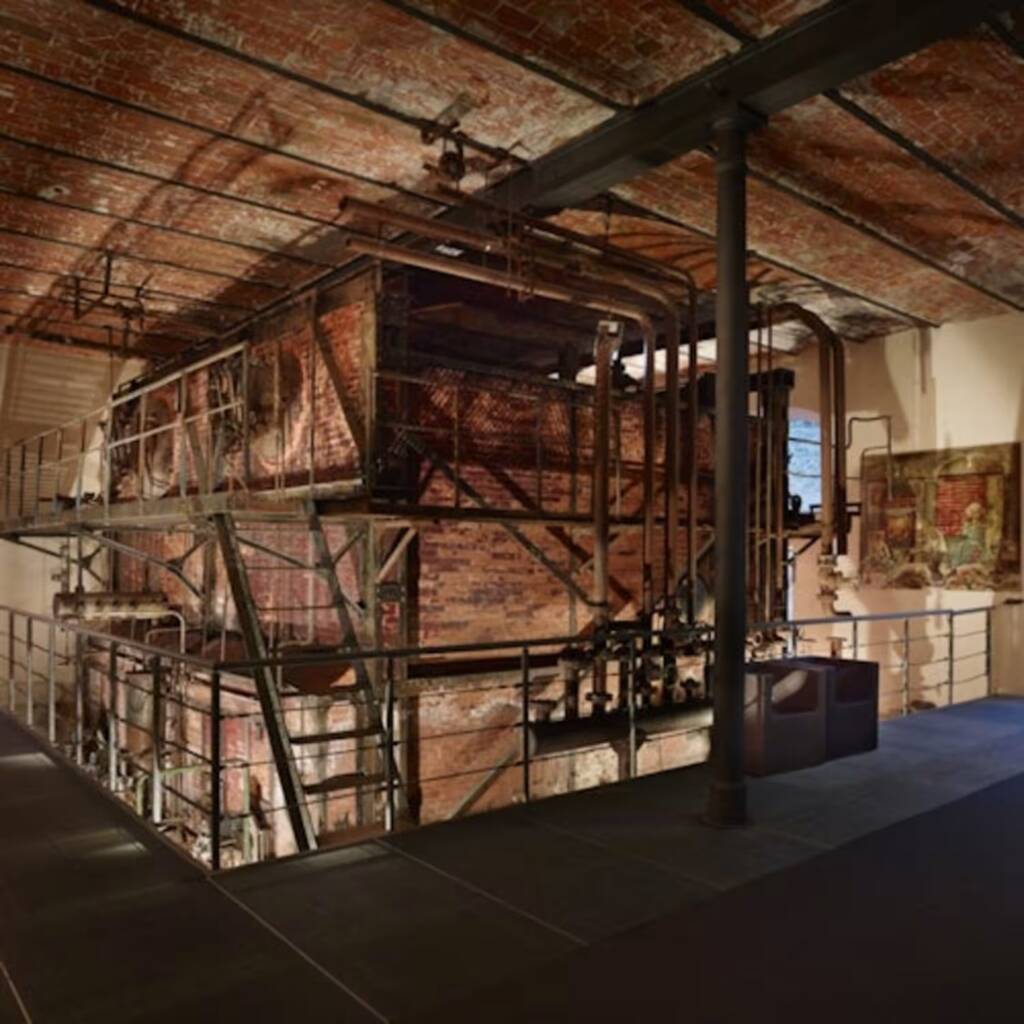
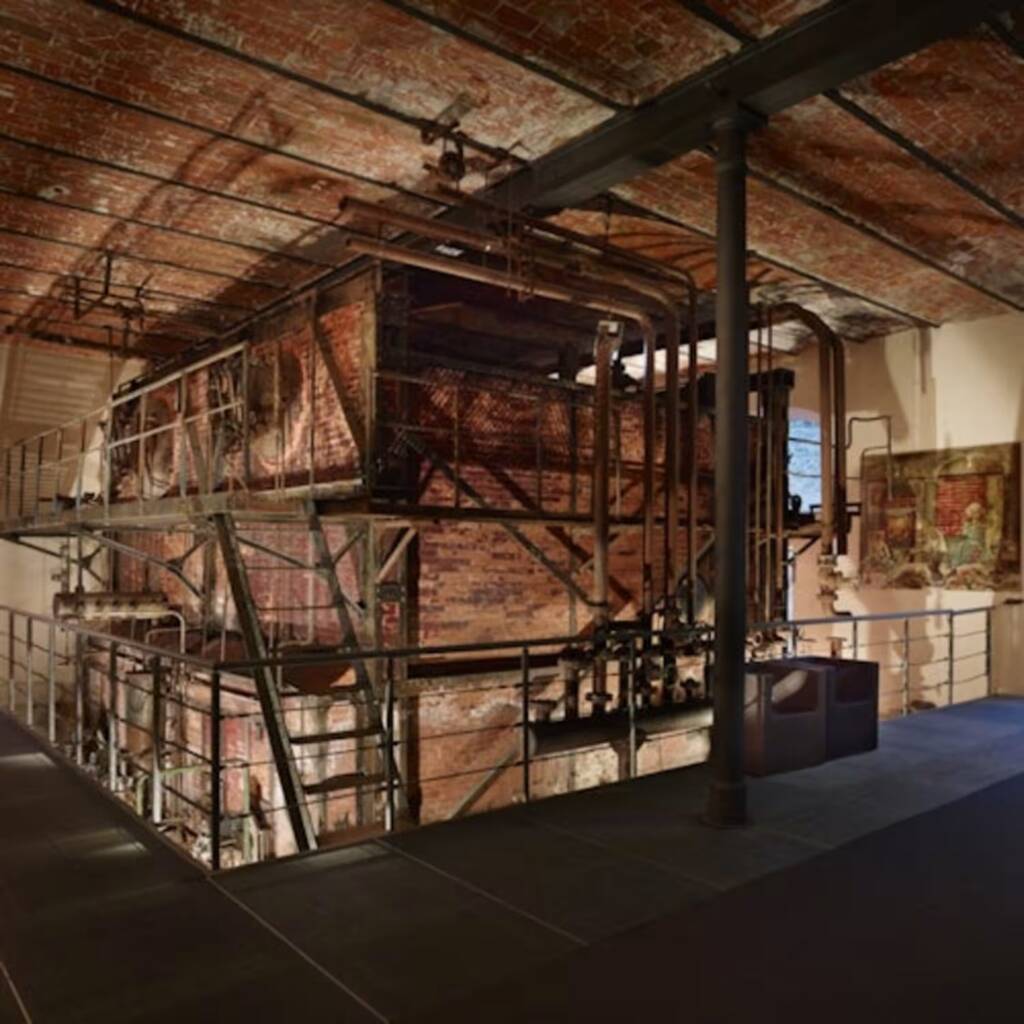
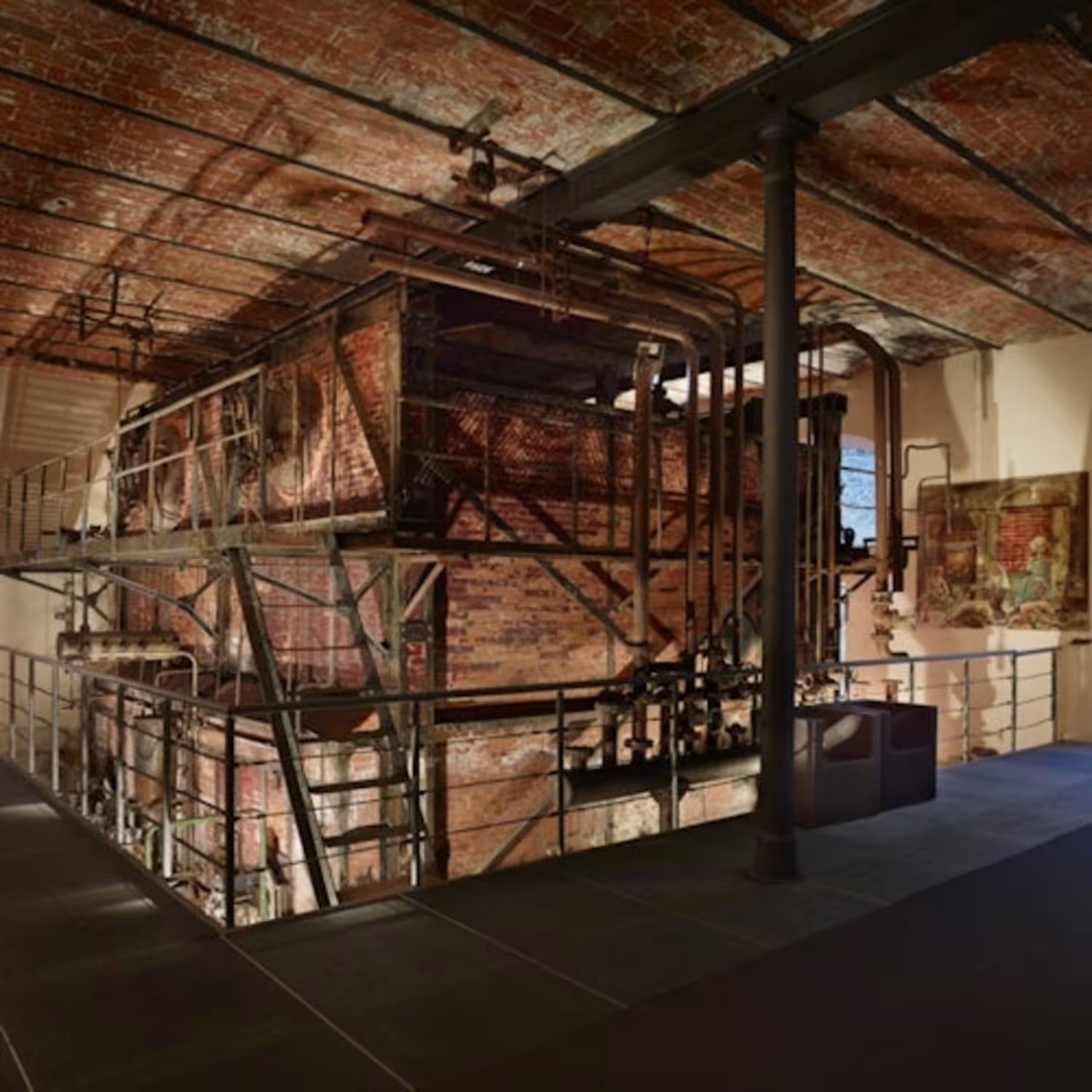
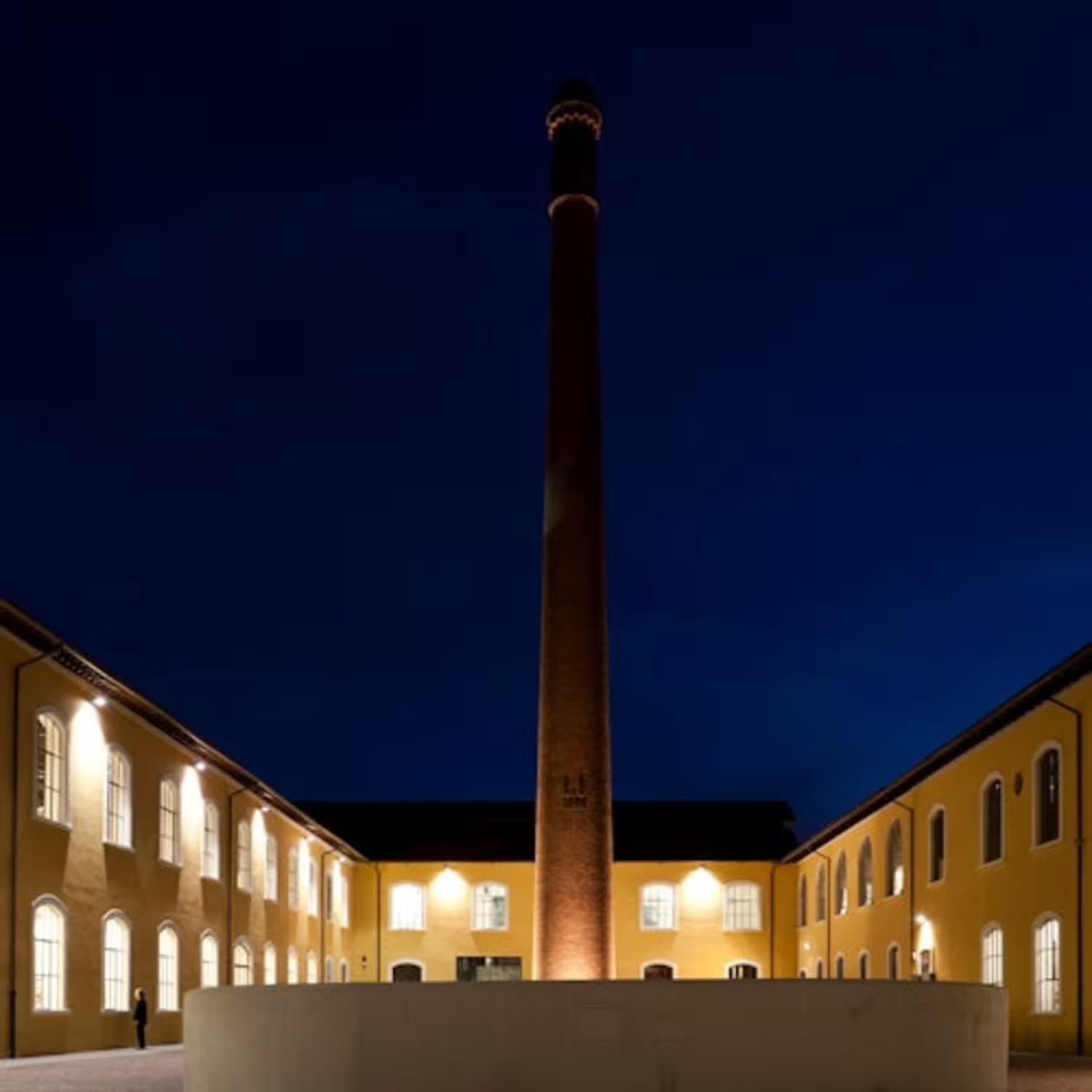
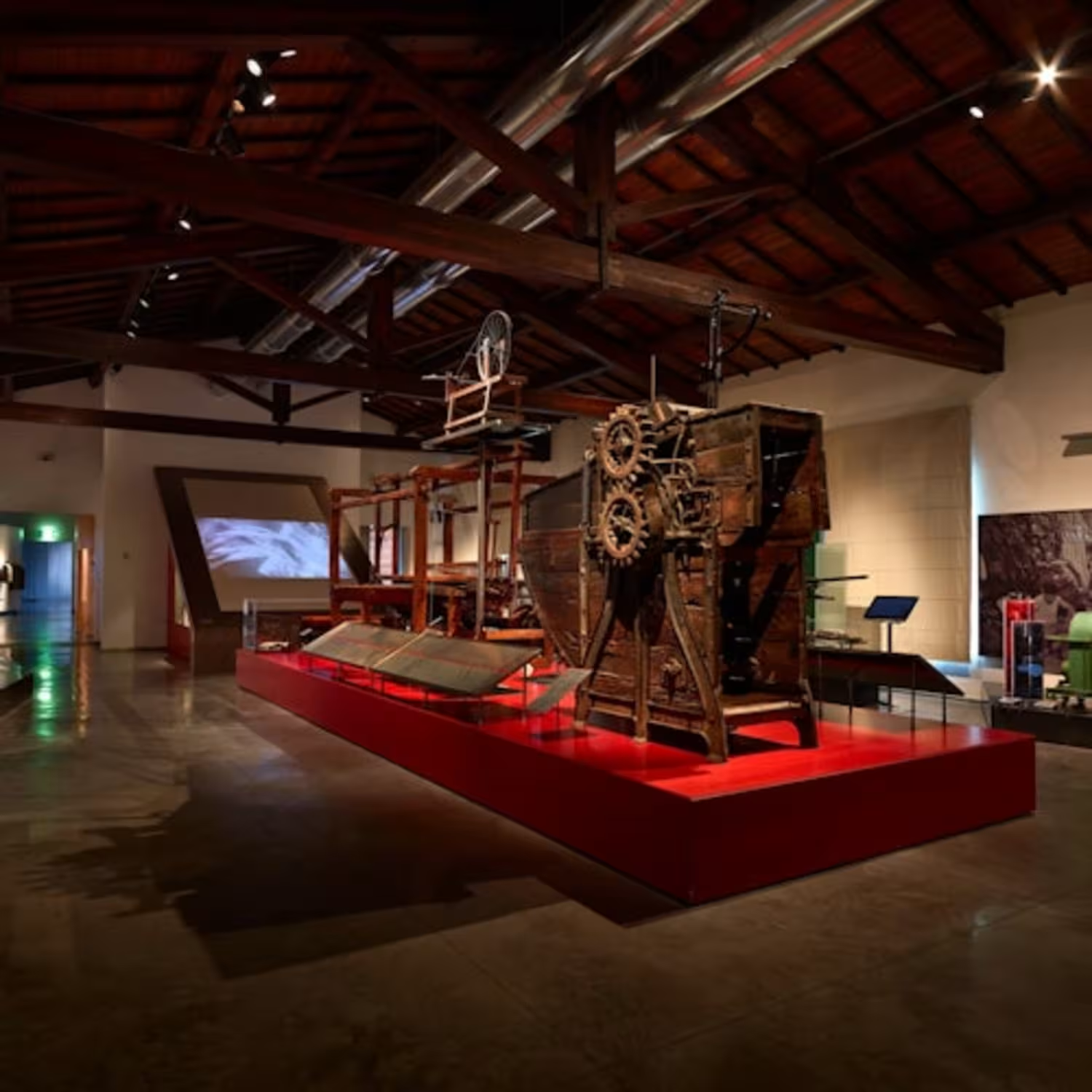
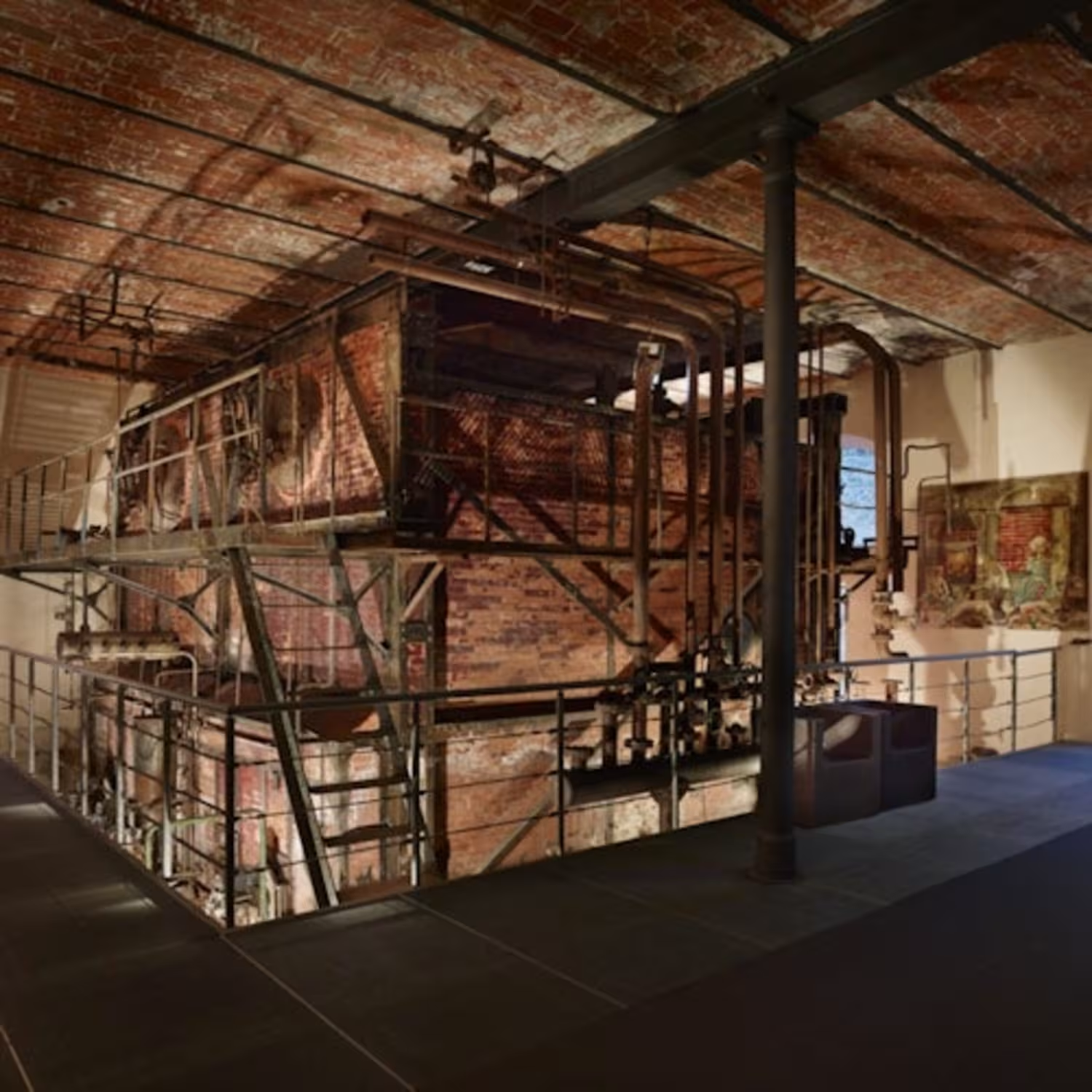
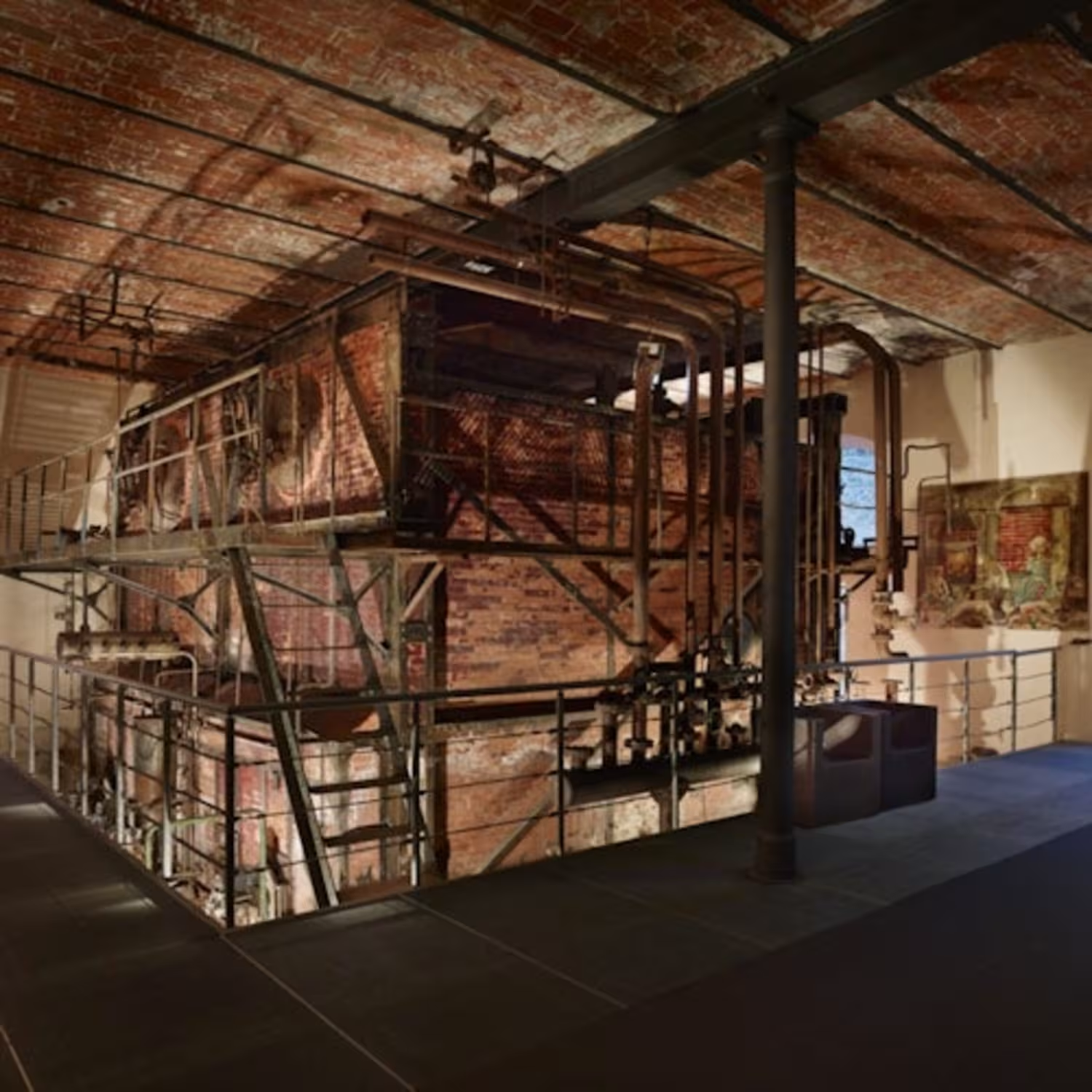
Explore the original factory’s boiler room and its preserved steam generator.
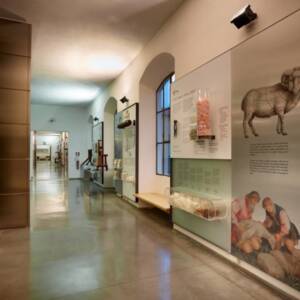
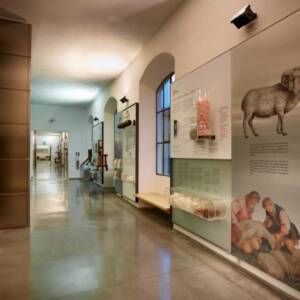
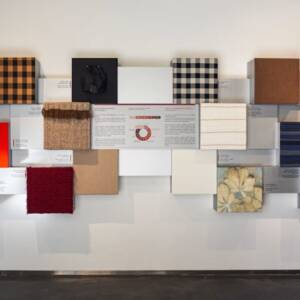
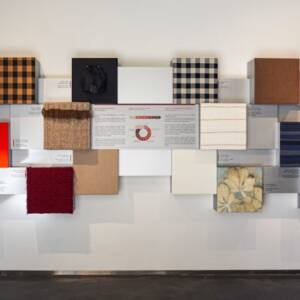
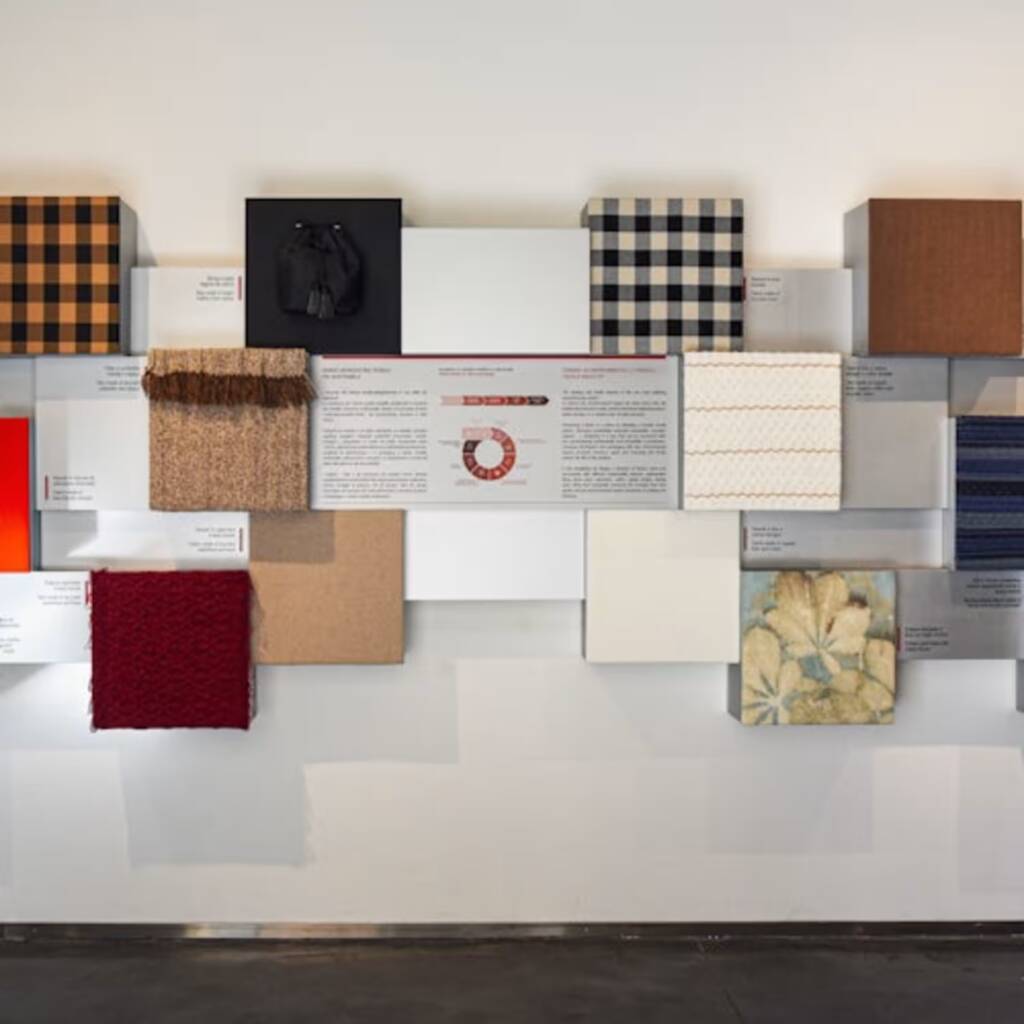
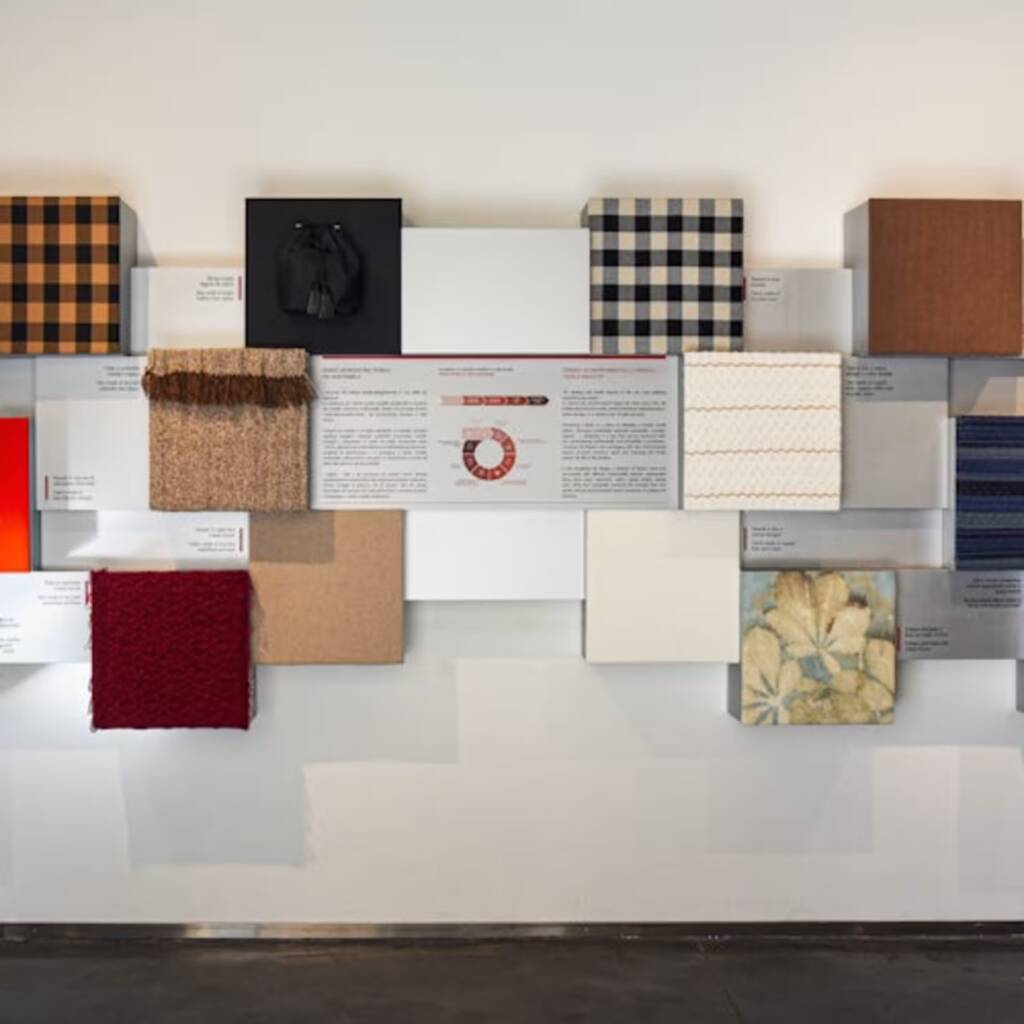
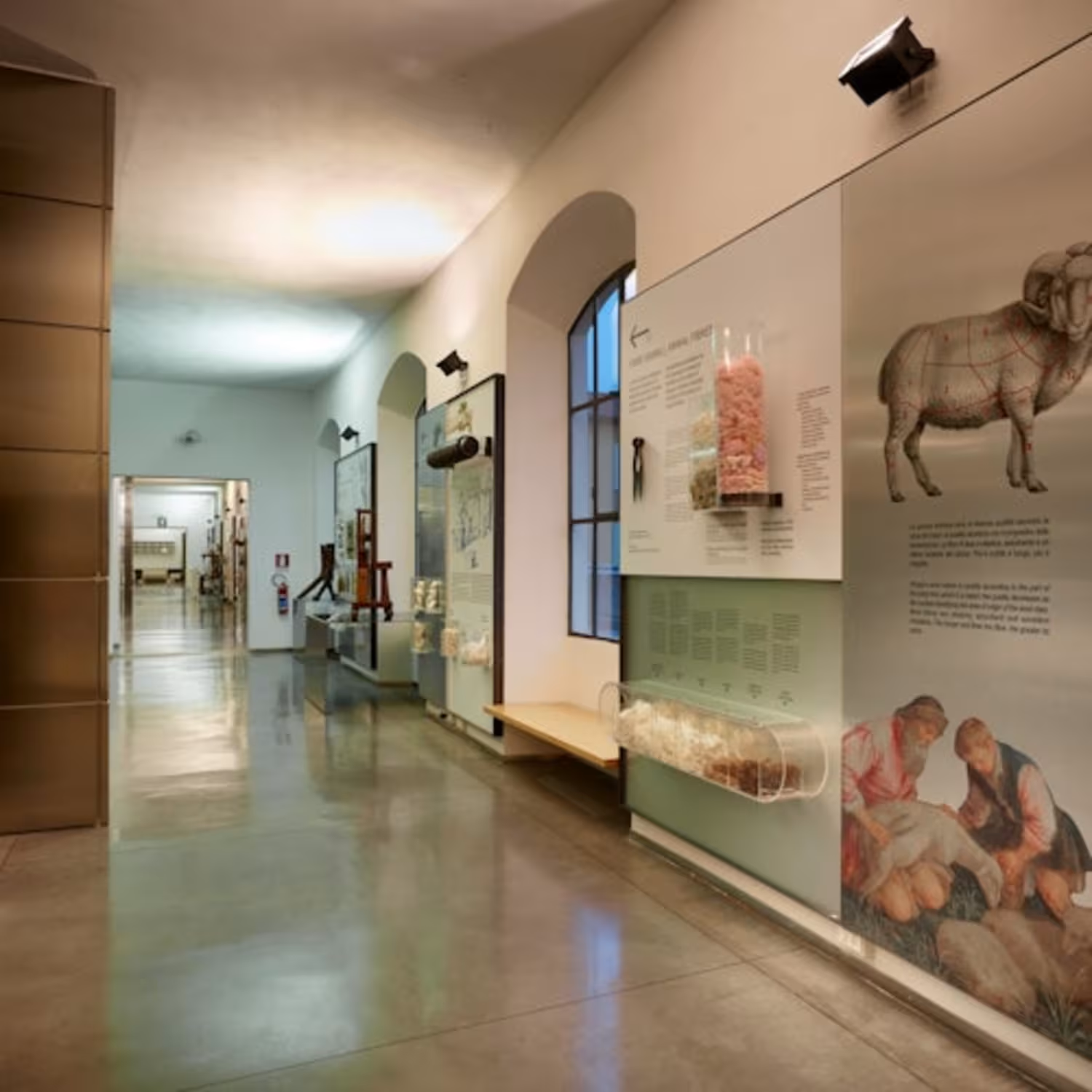
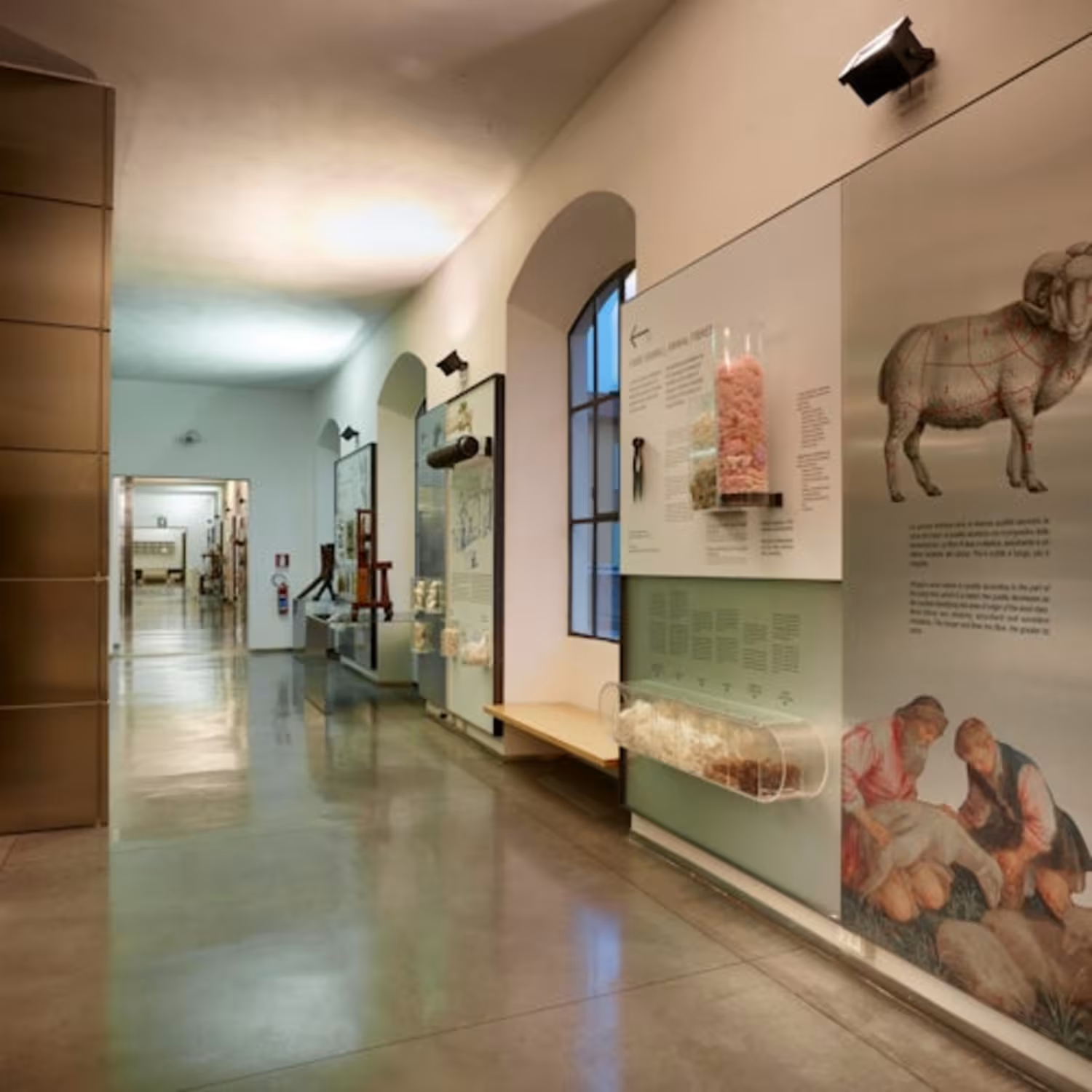
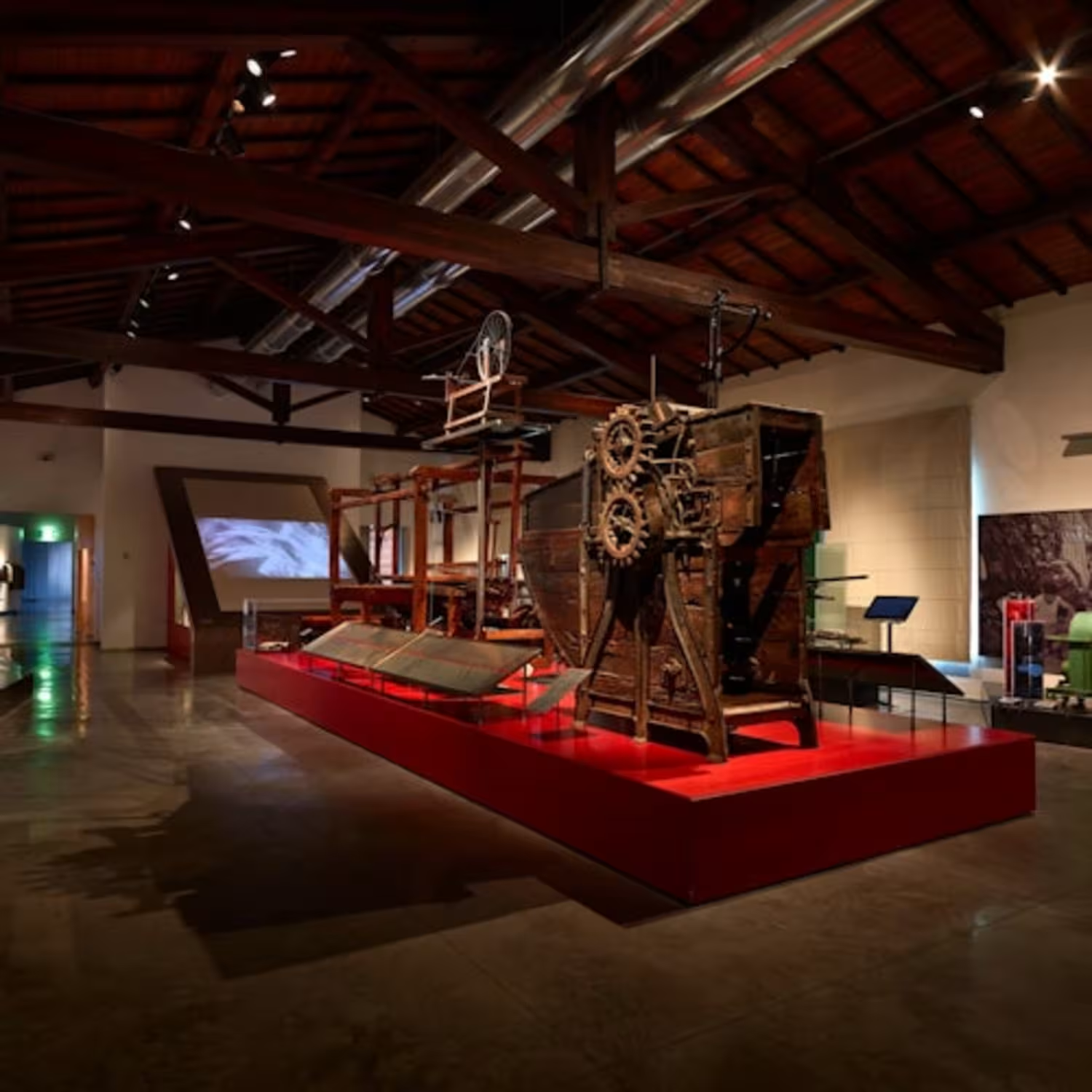
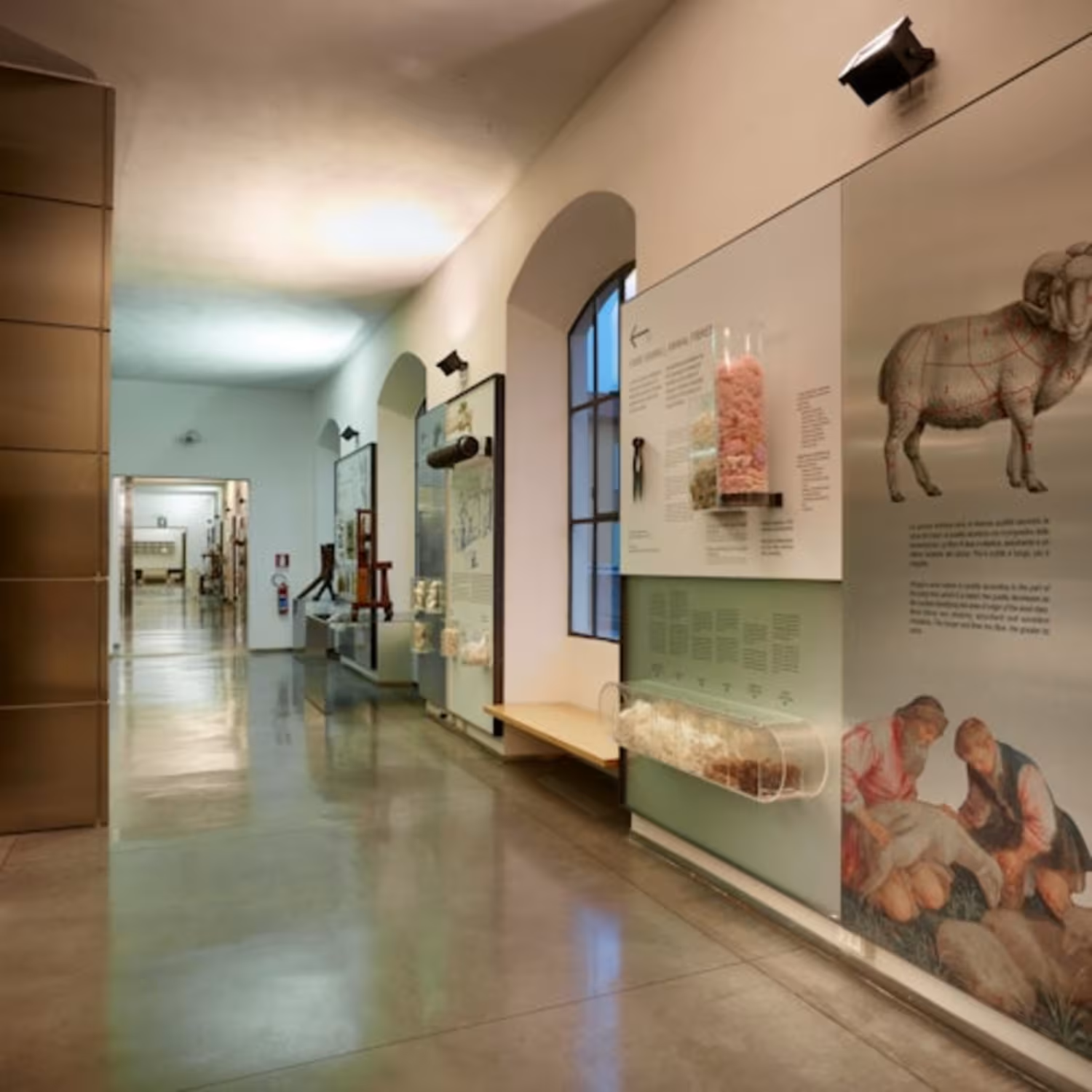
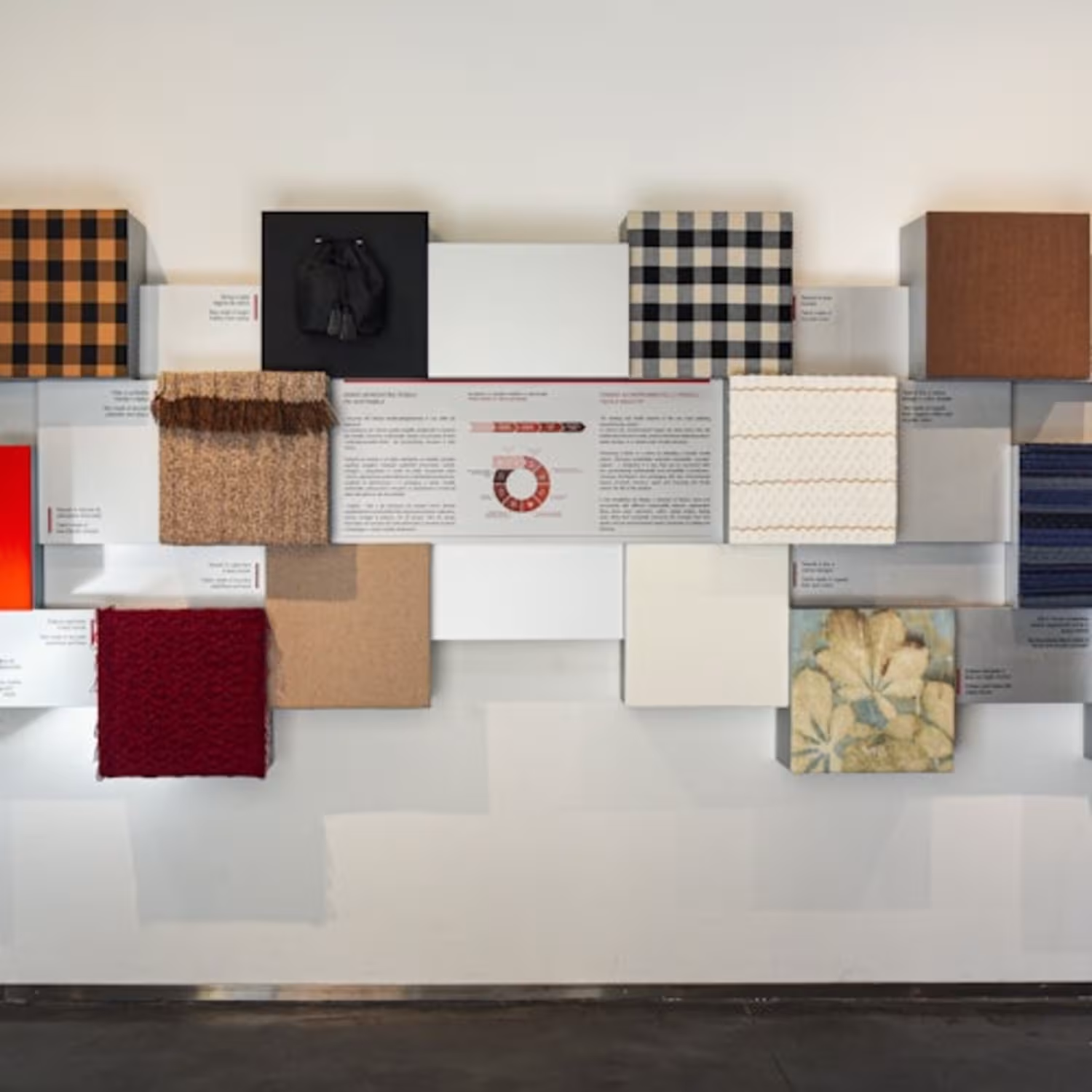
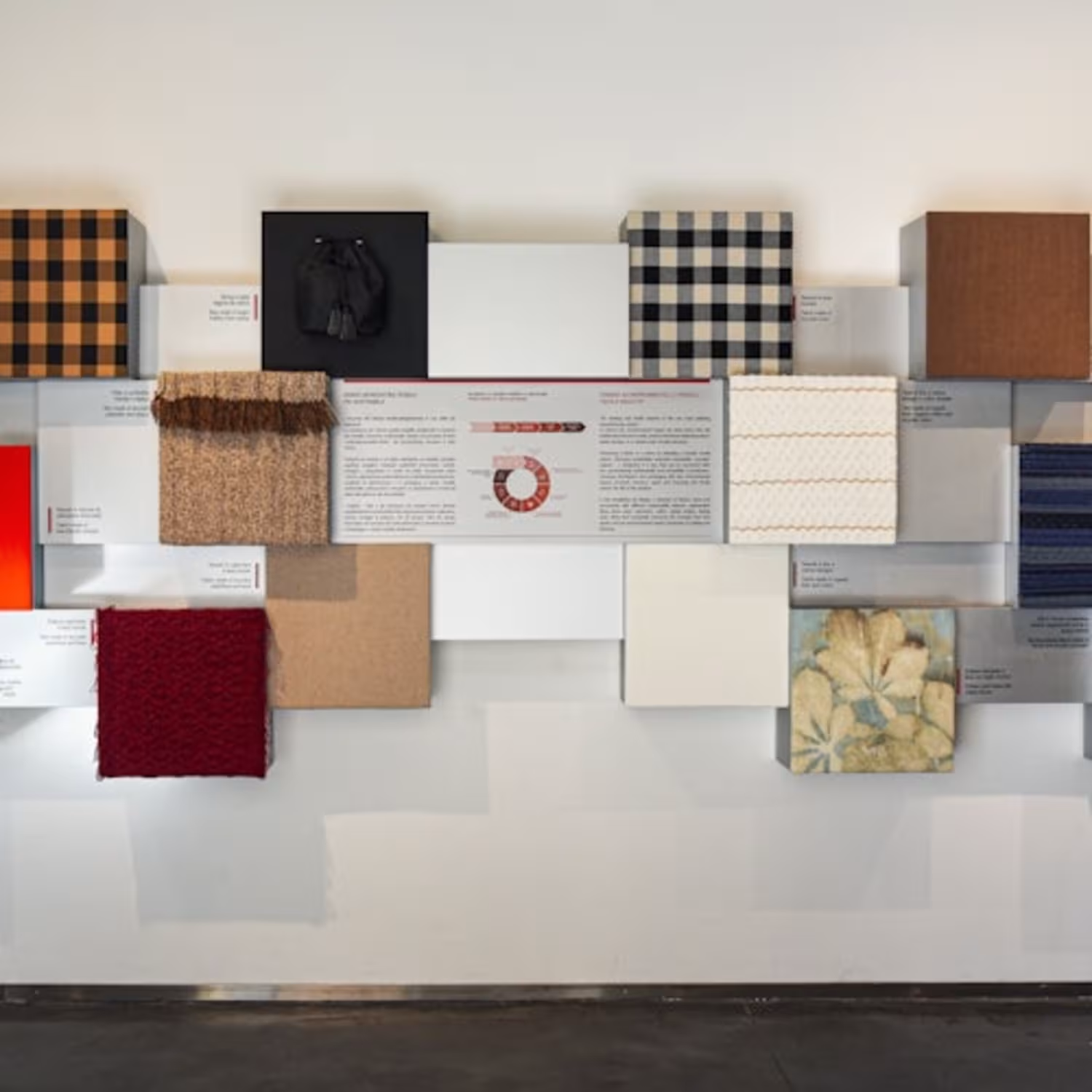
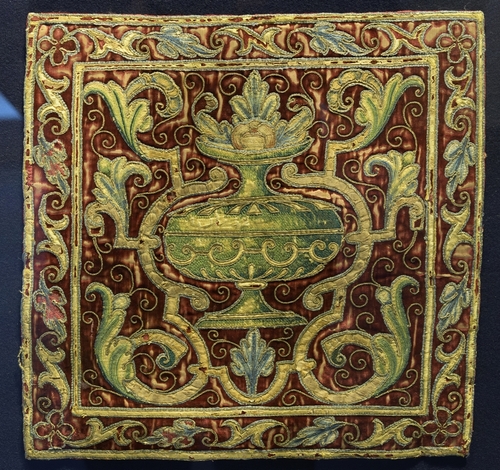
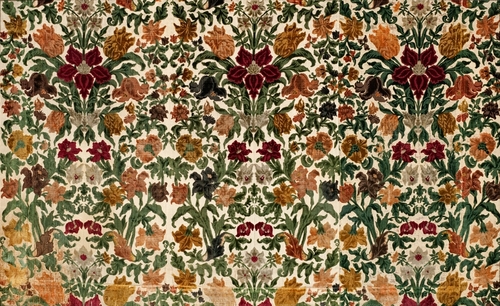
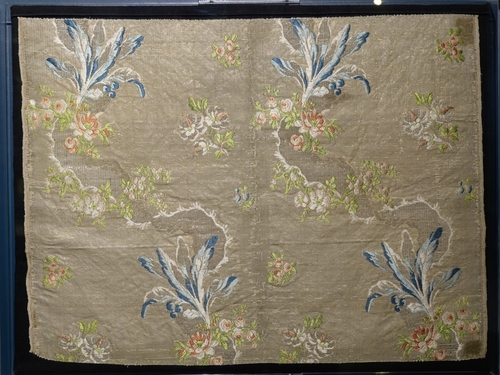
View rotating displays of rare antique textiles and learn about materials and manufacturing processes.
Discover the local textile heritage through an interactive multimedia installation.
Enjoy large-scale temporary exhibitions in spacious galleries within the museum.
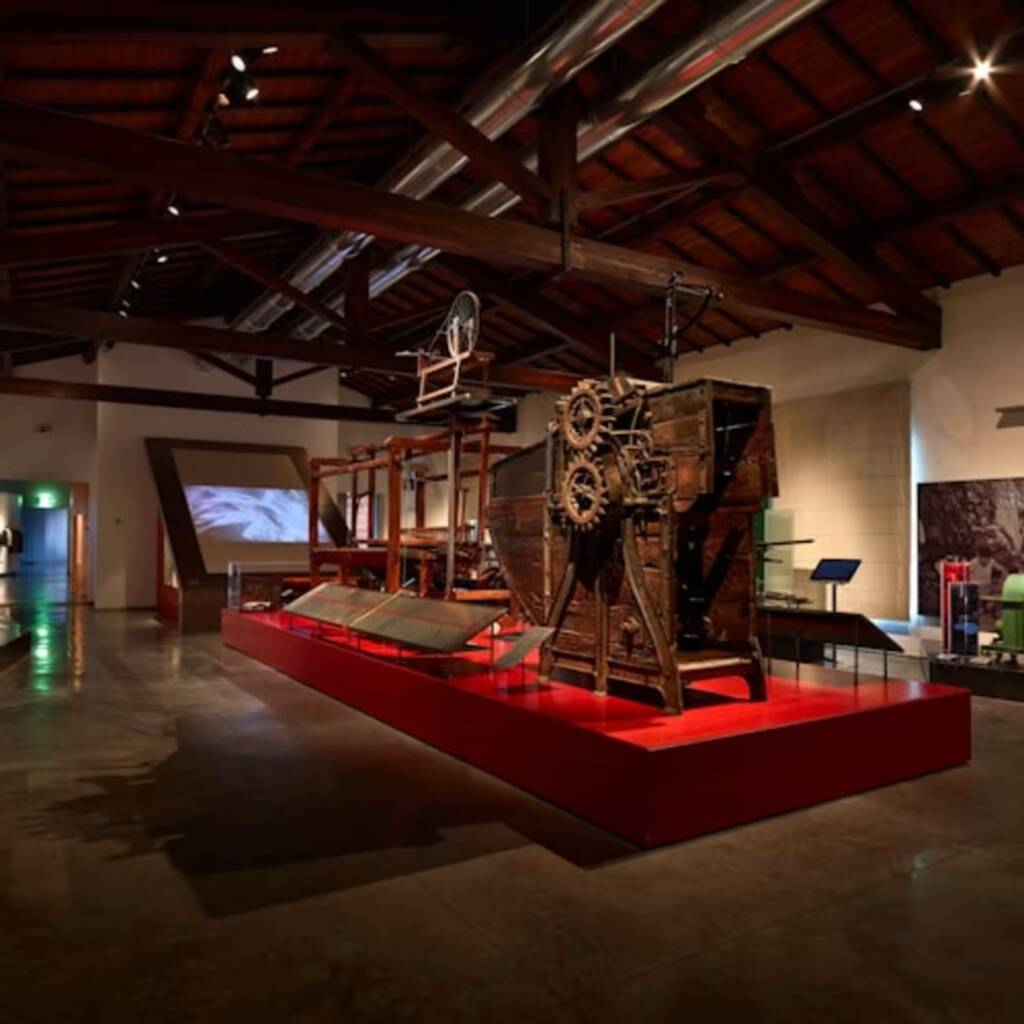
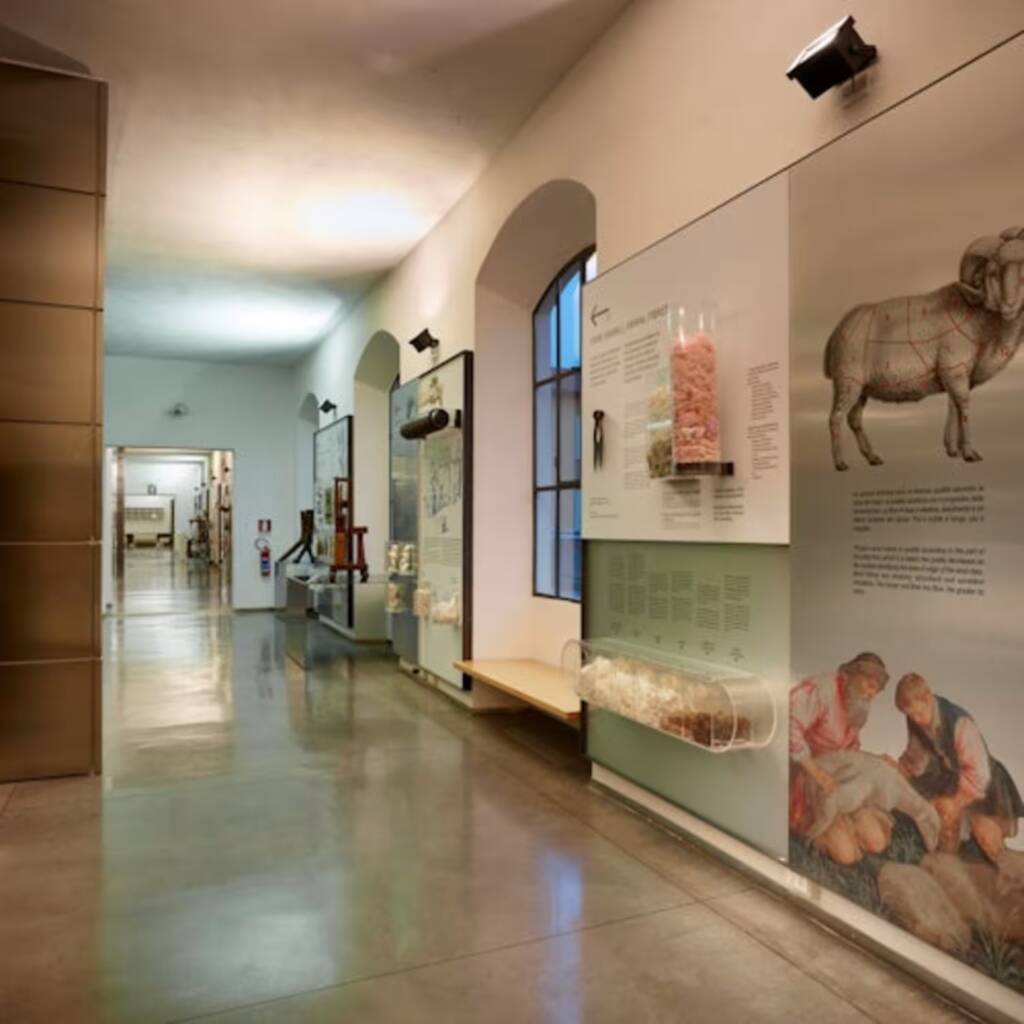
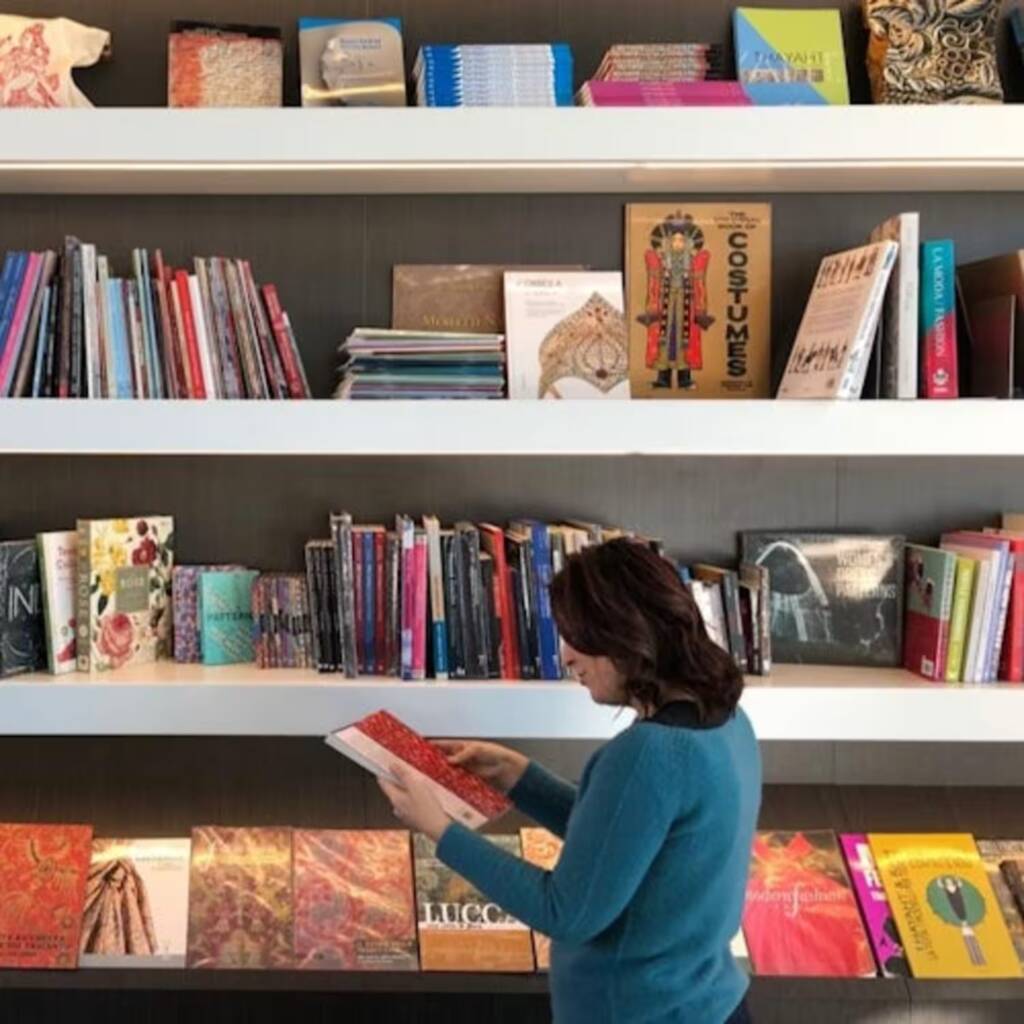
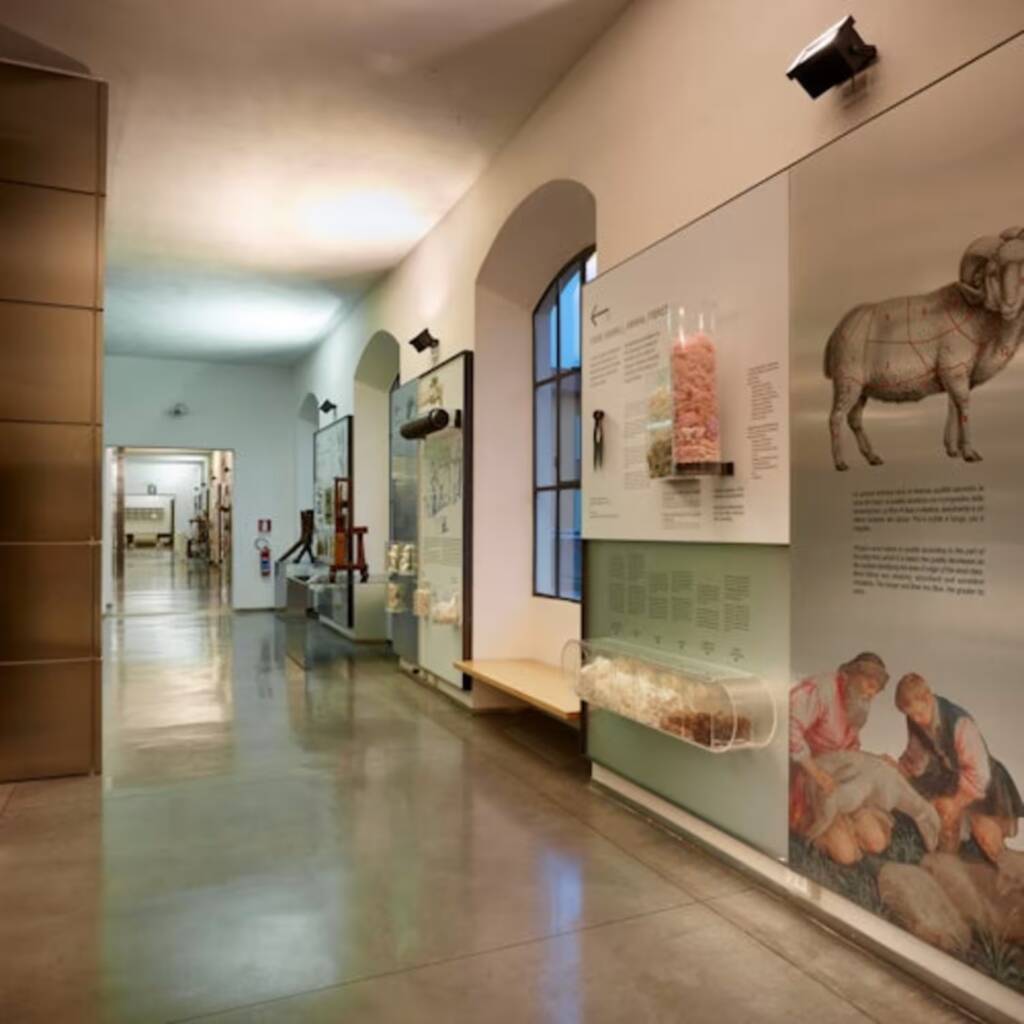
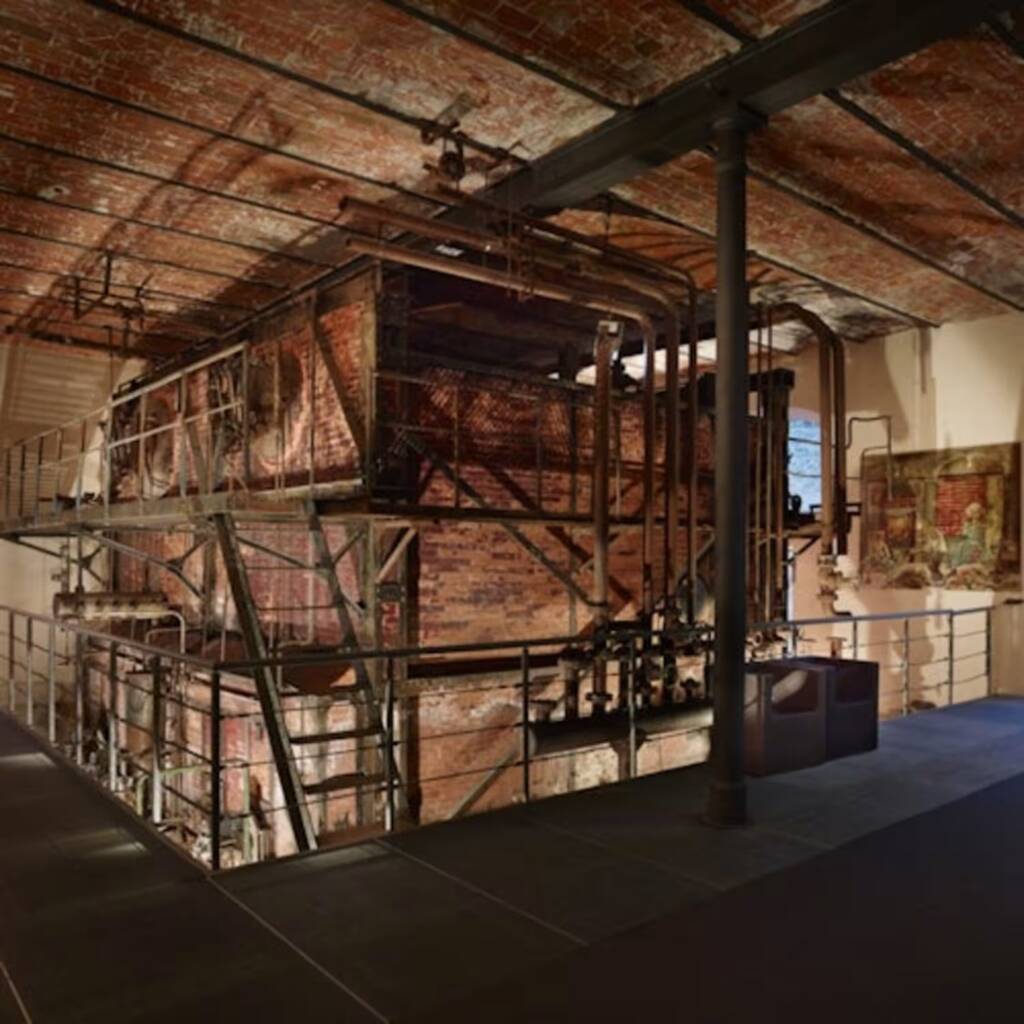
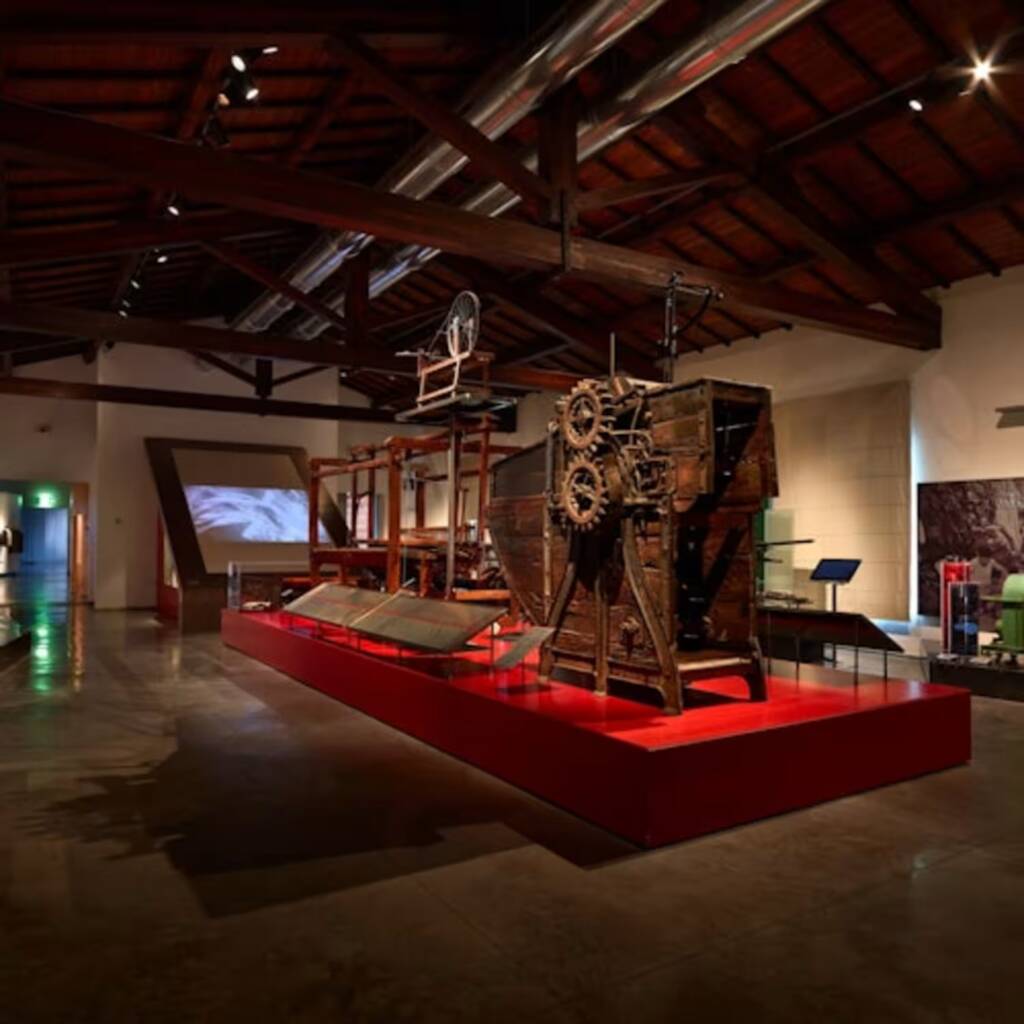
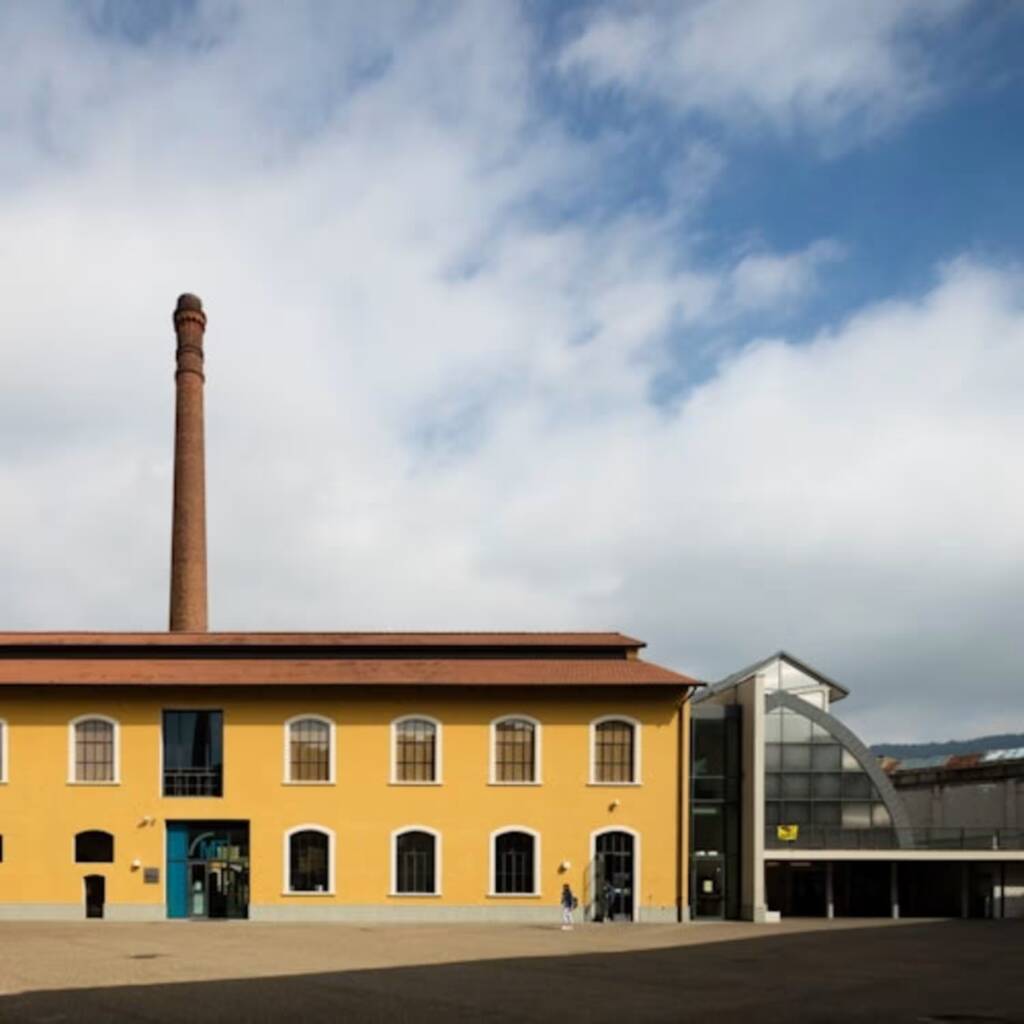
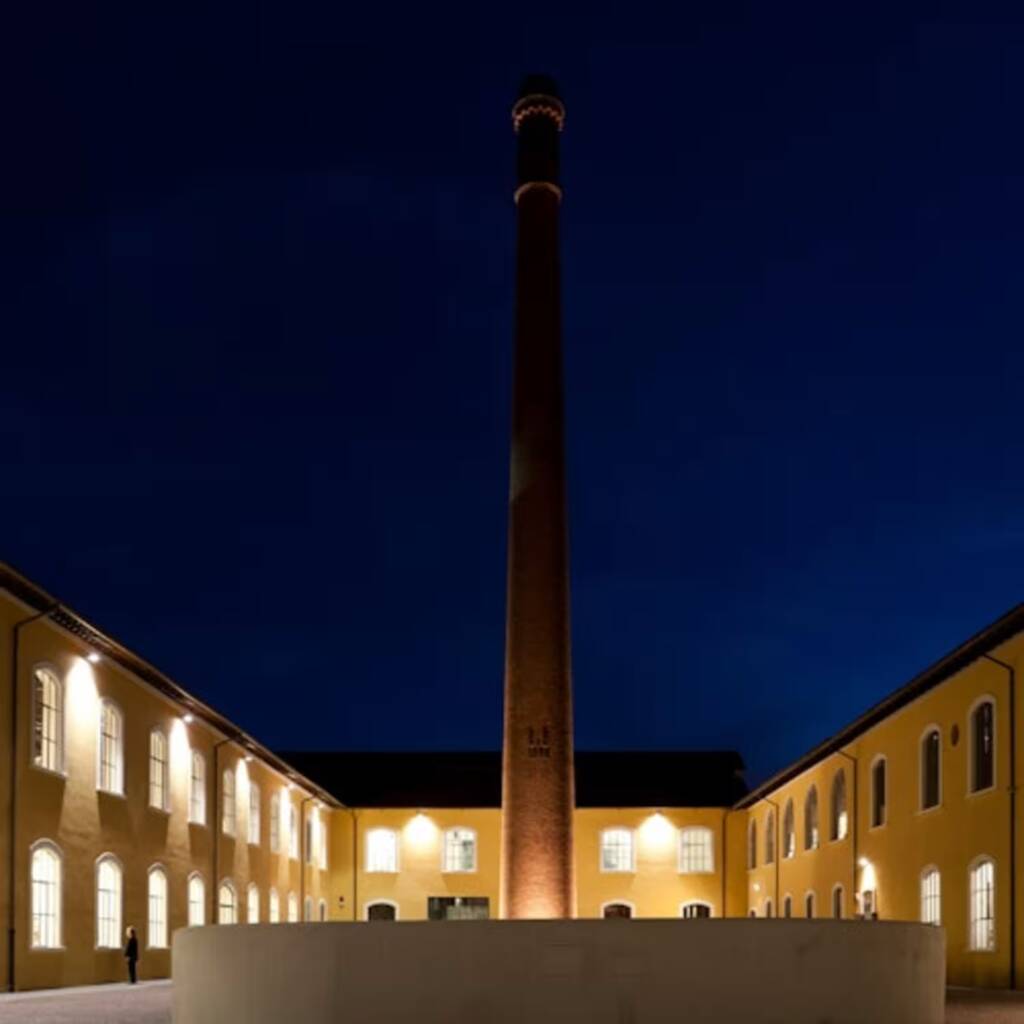
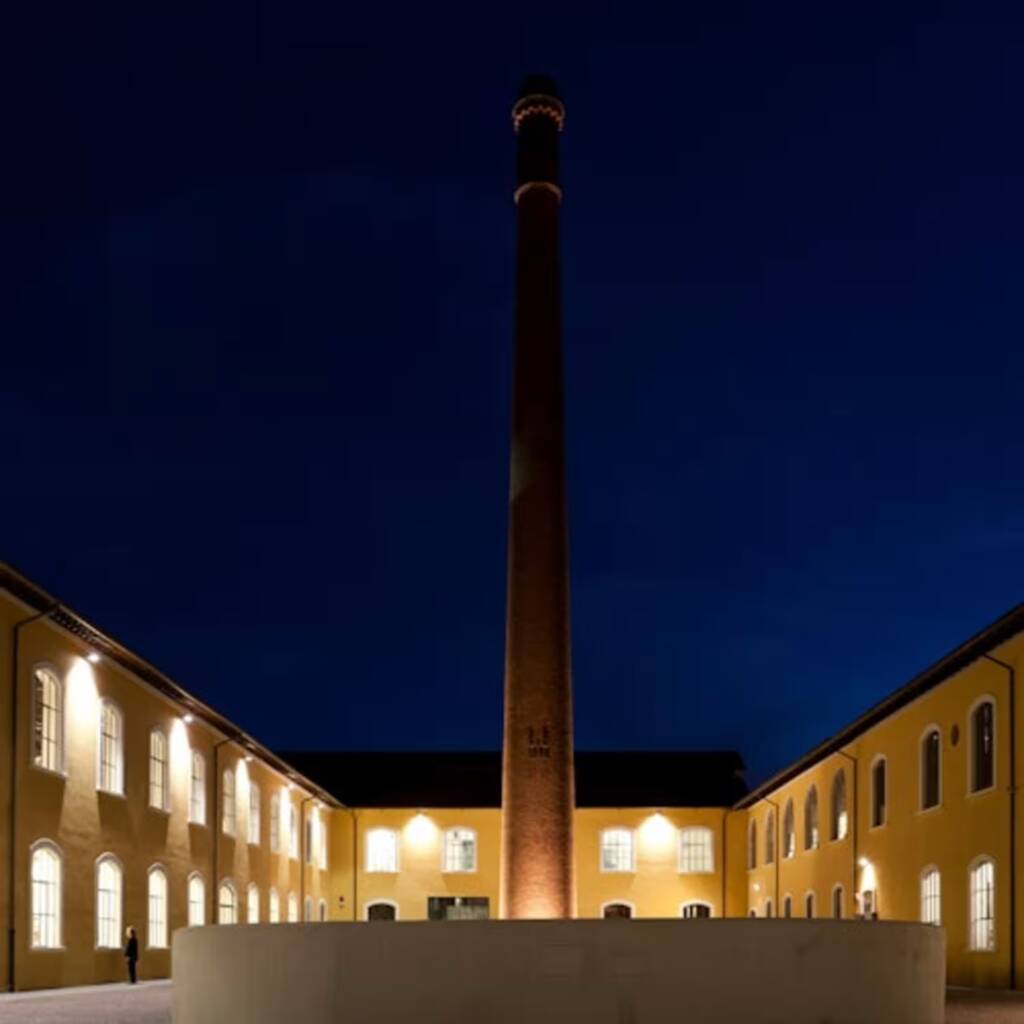
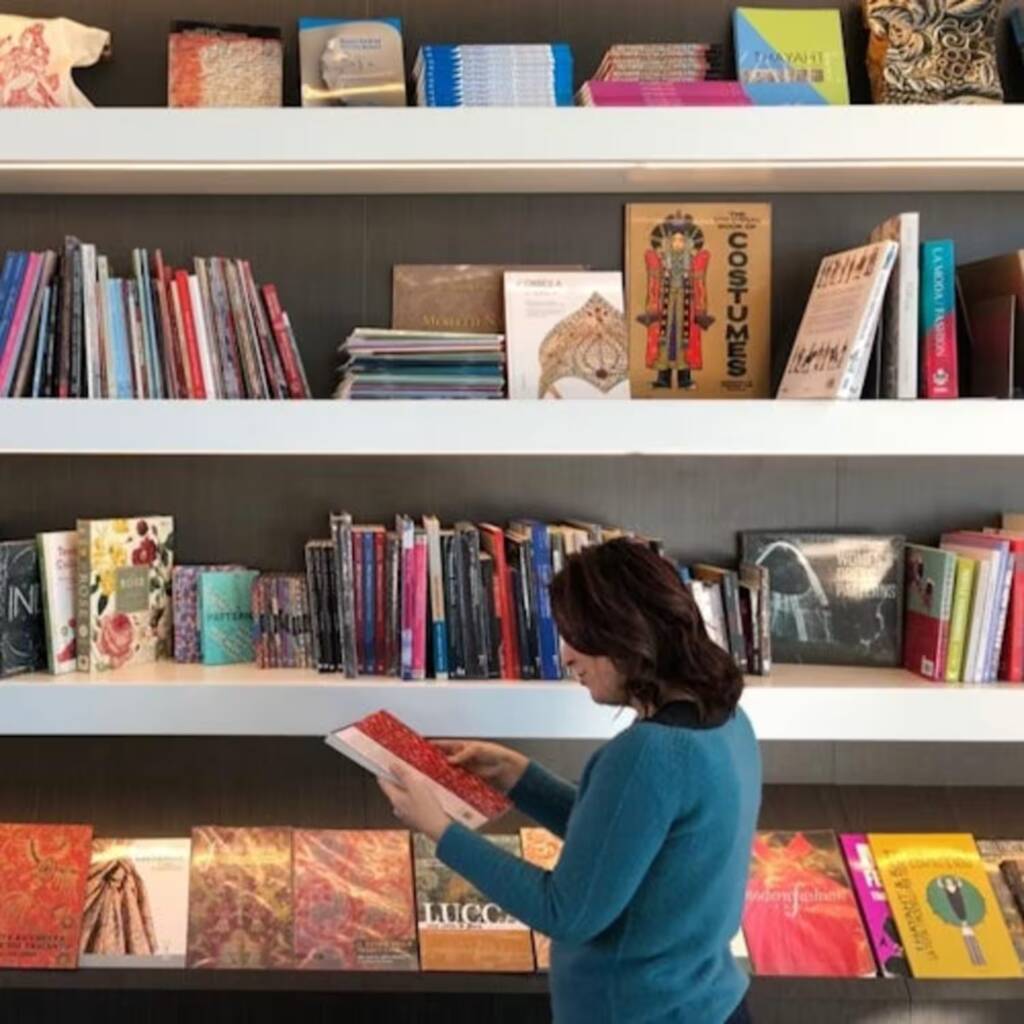
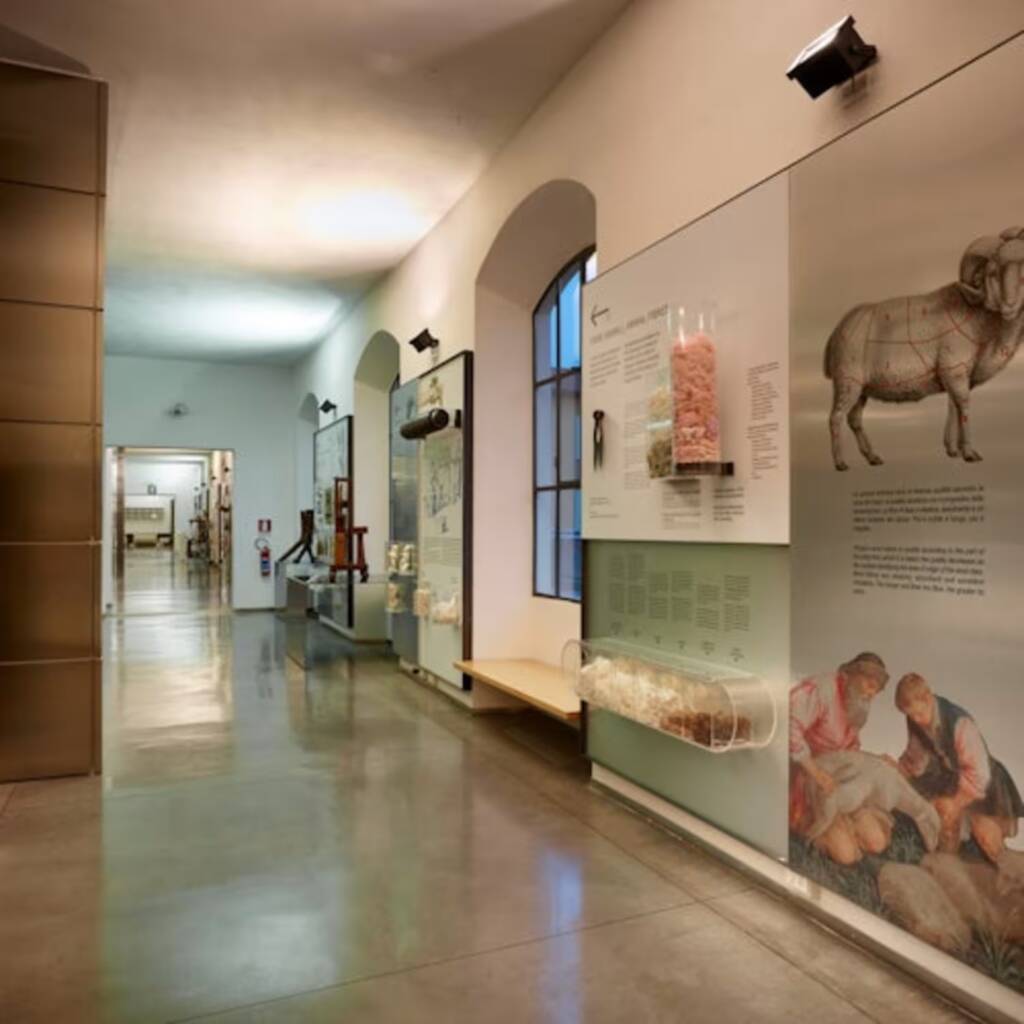
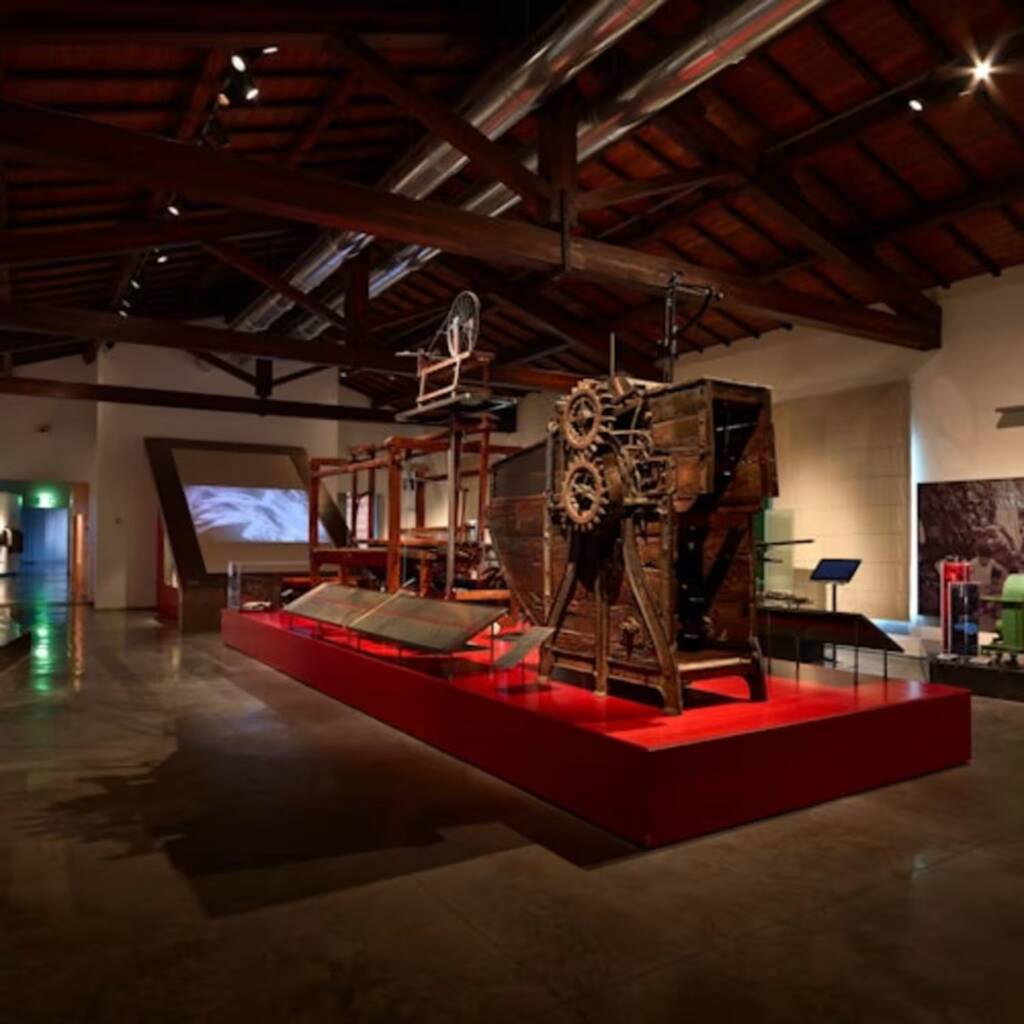
Welcome to the Textile Museum in Florence
Welcome to the Textile Museum in Florence — your gateway to the rich heritage of textile art, fashion, and industry just a short journey from the city’s heart. Explore centuries of fabric history, cutting-edge design, and interactive exhibits that bring Italy’s textile legacy to life.
About the Textile Museum in Prato, Florence
Why Visit the Textile Museum in Florence?
Operating Hours of Textile Museum in Florence

Best Times to Visit Textile Museum in Florence
Mornings Right After Opening (10:00 AM – 12:00 PM)
Visiting soon after the museum opens is ideal if you want a quieter experience. Early hours offer more space to explore the galleries, read exhibit details without interruptions, and fully appreciate the craftsmanship and design stories behind the textiles.
Weekdays, Especially Tuesday Through Thursday
Midweek visits tend to be less crowded than weekends. These days are perfect for travelers who prefer a calm, unhurried visit and want to spend more time engaging with exhibitions focused on fashion history, fabric innovation, and industrial design.
Friday Evenings and Saturday Afternoons
With extended hours on Fridays and Saturdays, late-afternoon and early-evening visits are a great option if you’re sightseeing during the day. These time slots work well for visitors looking to combine the museum with shopping, dining, or cultural activities nearby.
Sundays and Public Holidays (After 3:00 PM)
Since the museum opens later on Sundays and holidays, arriving shortly after opening helps you make the most of your visit before closing. This is a good choice for travelers with flexible schedules or those planning a relaxed cultural afternoon.
Outside Peak Tourist Seasons
Florence sees its highest visitor numbers during late spring and summer. Visiting during the shoulder seasons—late fall or winter (excluding holidays)—often means fewer crowds, shorter wait times, and a more intimate museum experience.
Where to Find Textile Museum in Florence

How to Get to the Textile Museum in Florence
By Train (Most Convenient Option)
Trains from Florence Santa Maria Novella (Firenze SMN) to Prato Centrale run frequently throughout the day.
The journey takes approximately 20–30 minutes, making it ideal for a half-day cultural trip.
From Prato Centrale station, the museum is about a 10–15 minute walk.
This is the fastest and most popular option for visitors staying in Florence.
By Car
Prato is easily accessible via the A11 (Florence–Pisa North) highway.
Follow signs toward Prato Centro after exiting the highway.
Paid parking areas and public parking garages are available near the historic center.
Driving offers flexibility, especially if you plan to explore more of Tuscany after your visit.
By Bus
Local buses in Prato connect the train station with various parts of the city.
Bus stops are located within walking distance of the museum.
This is a budget-friendly option for visitors already staying in or around Prato.
Checking local bus schedules in advance helps ensure a smooth trip.
By Taxi or Rideshare
Taxis are readily available at Prato Centrale station.
The ride to the museum takes just a few minutes and is convenient if you’re short on time.
This option is especially helpful for families or visitors with limited mobility.
On Foot (From Prato City Center)
If you’re staying in central Prato, the museum is easily walkable.
The walk takes you through historic streets that reflect the city’s textile and industrial heritage.
Walking allows you to explore the local atmosphere before or after your museum visit.
Things to Know Before Visiting the Textile Museum in Florence
- Facilities
- Accessibility
- Guidelines
- Rules
Onsite Facilities

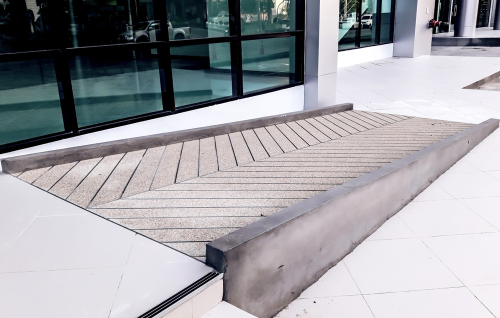
Accessibility Information
Visitor Guidelines

Rules and Regulations

Interesting Facts About the Textile Museum, Florence
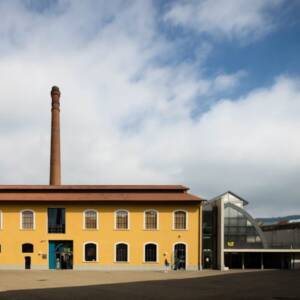
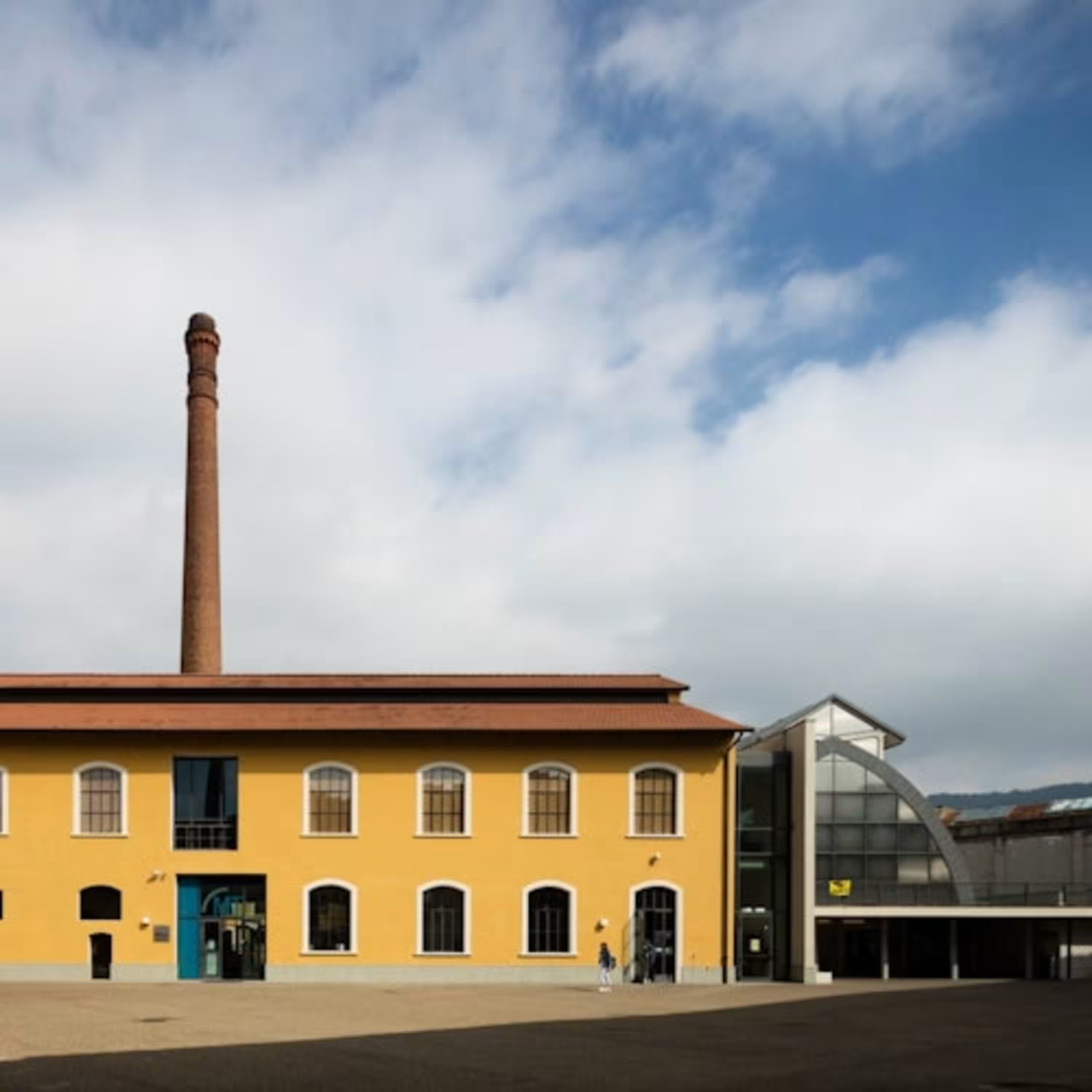
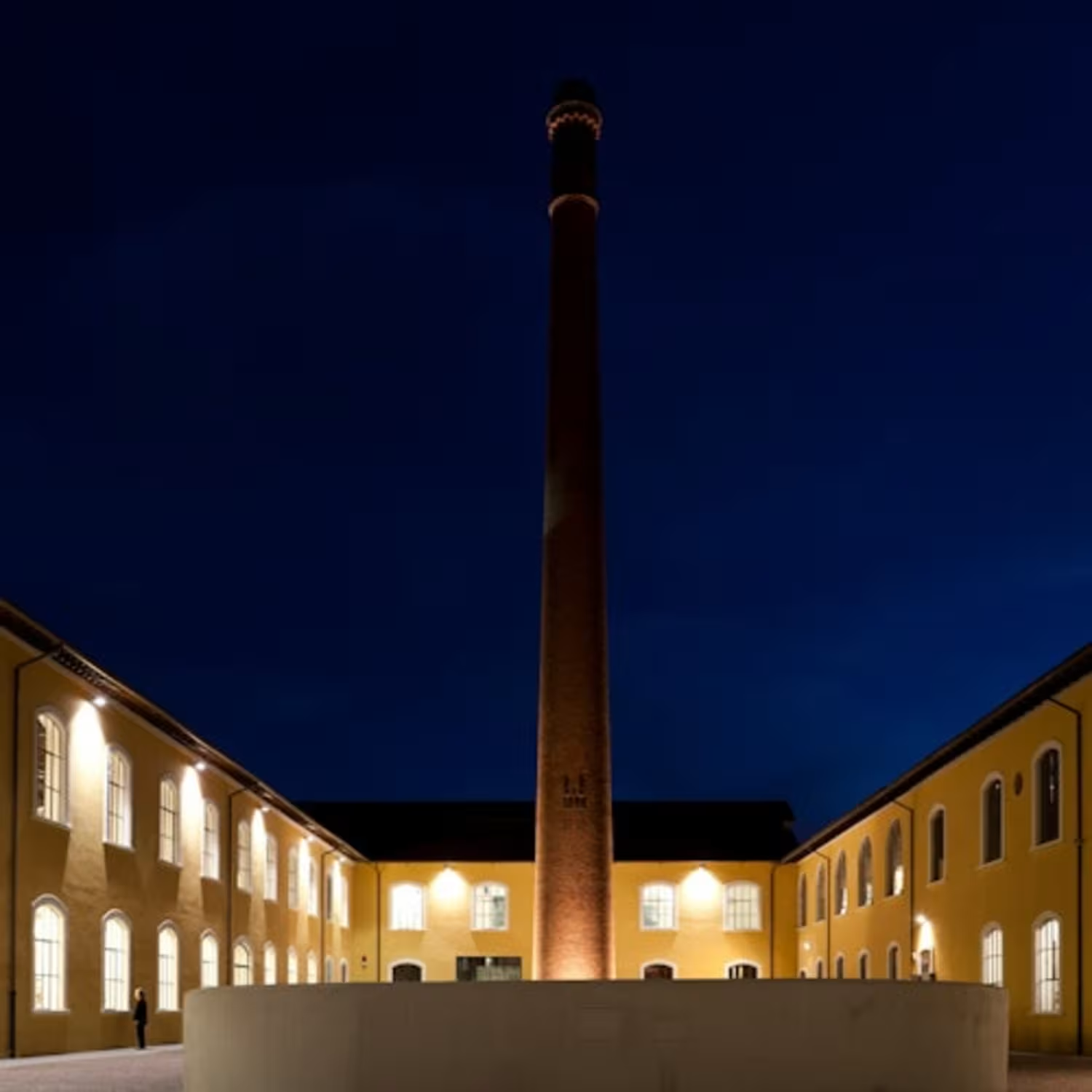
It’s housed in a former 19th-century textile factory
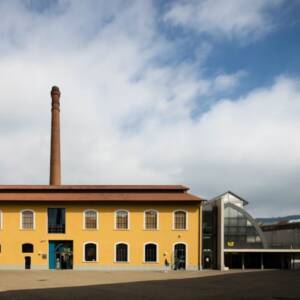
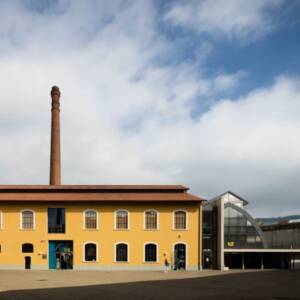
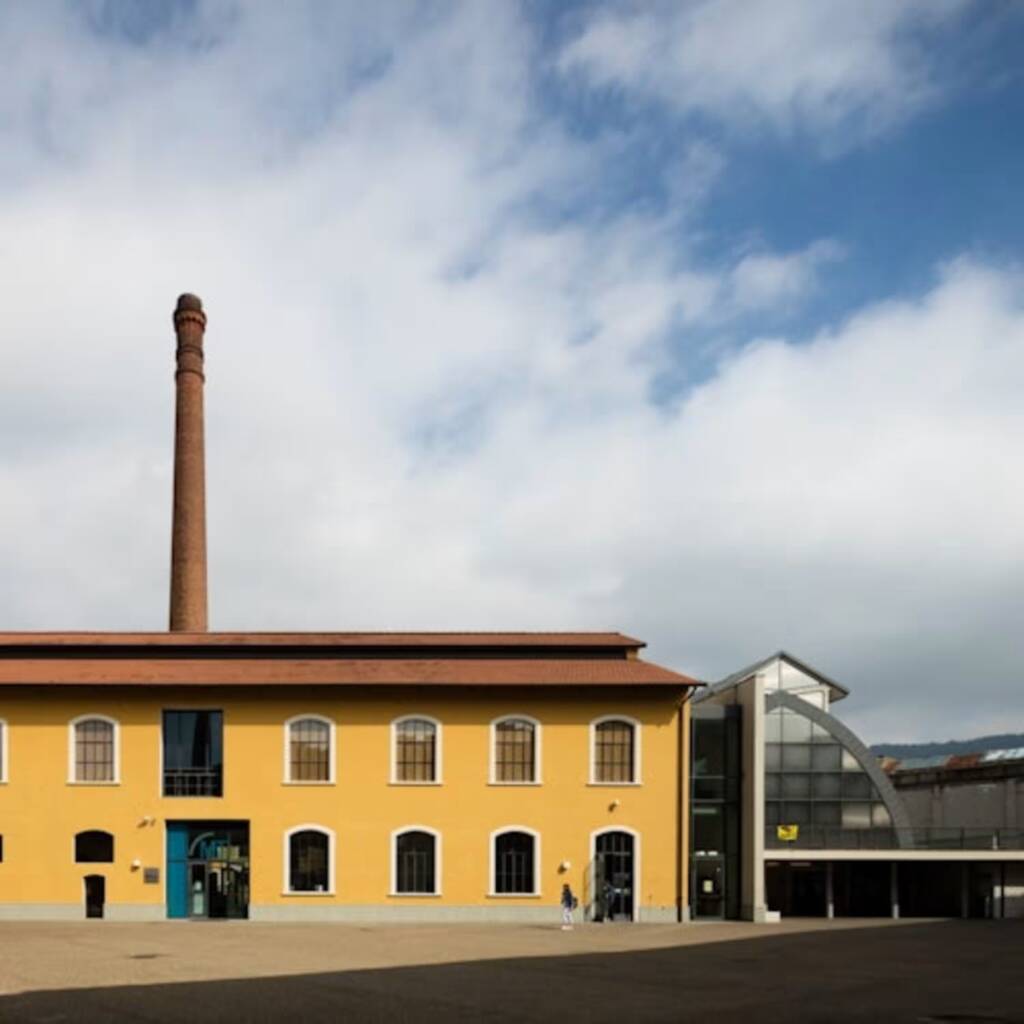
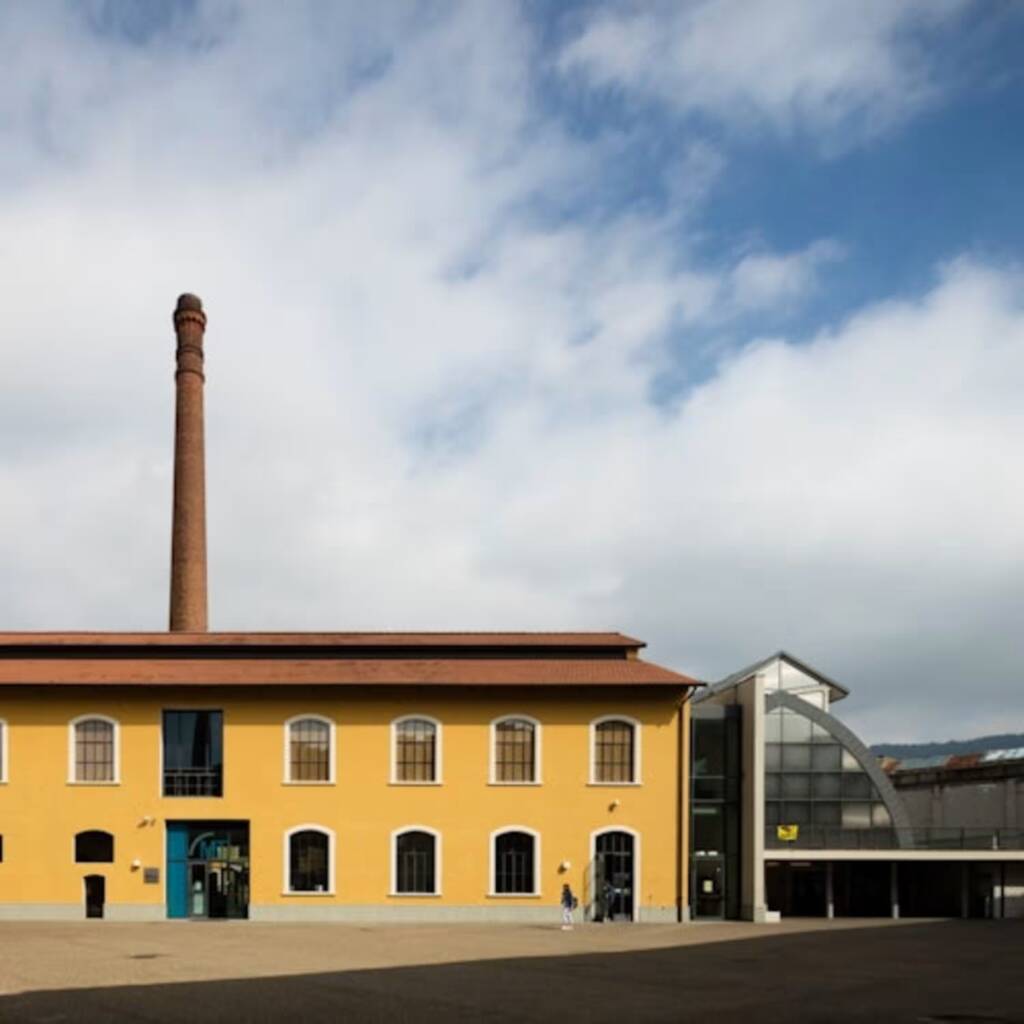
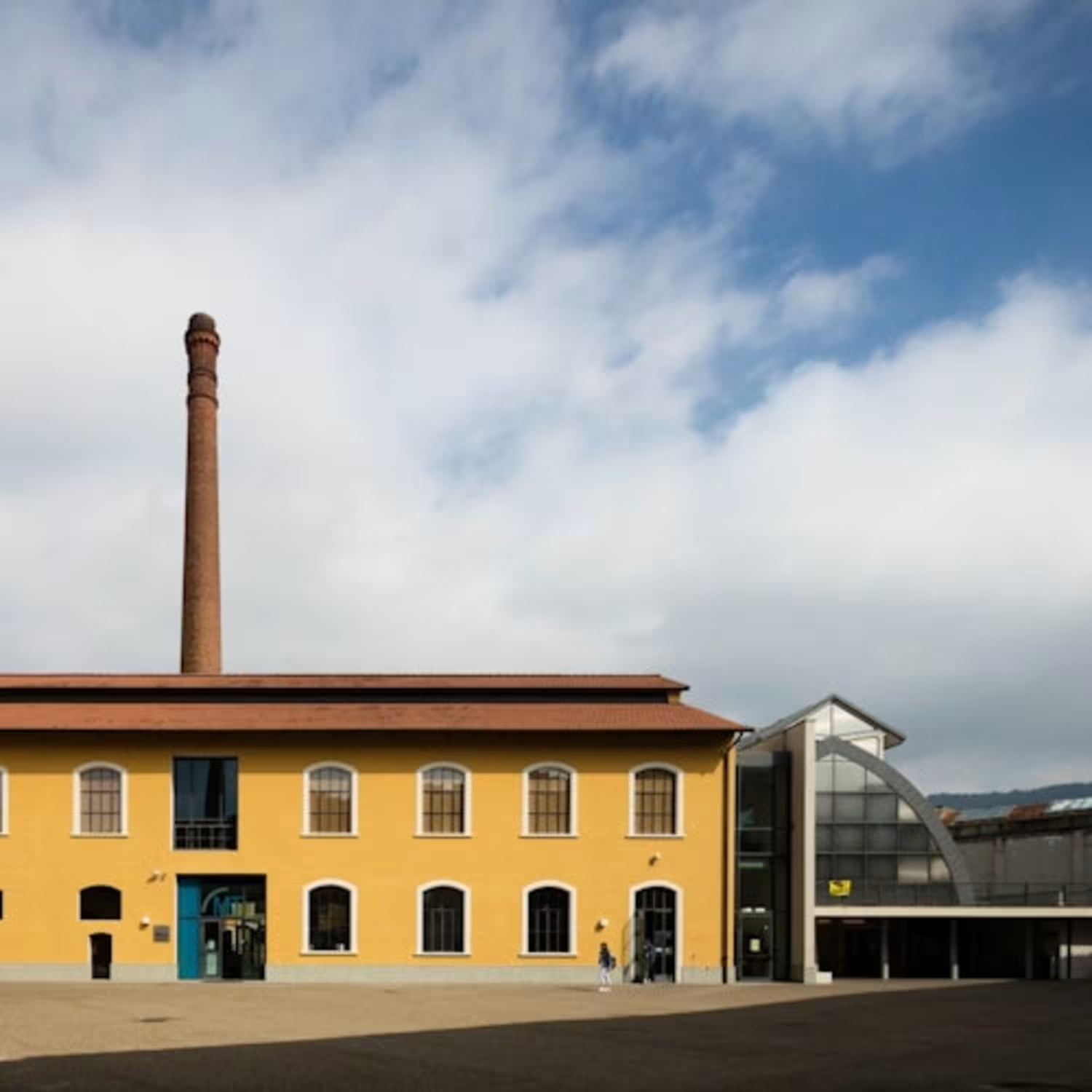
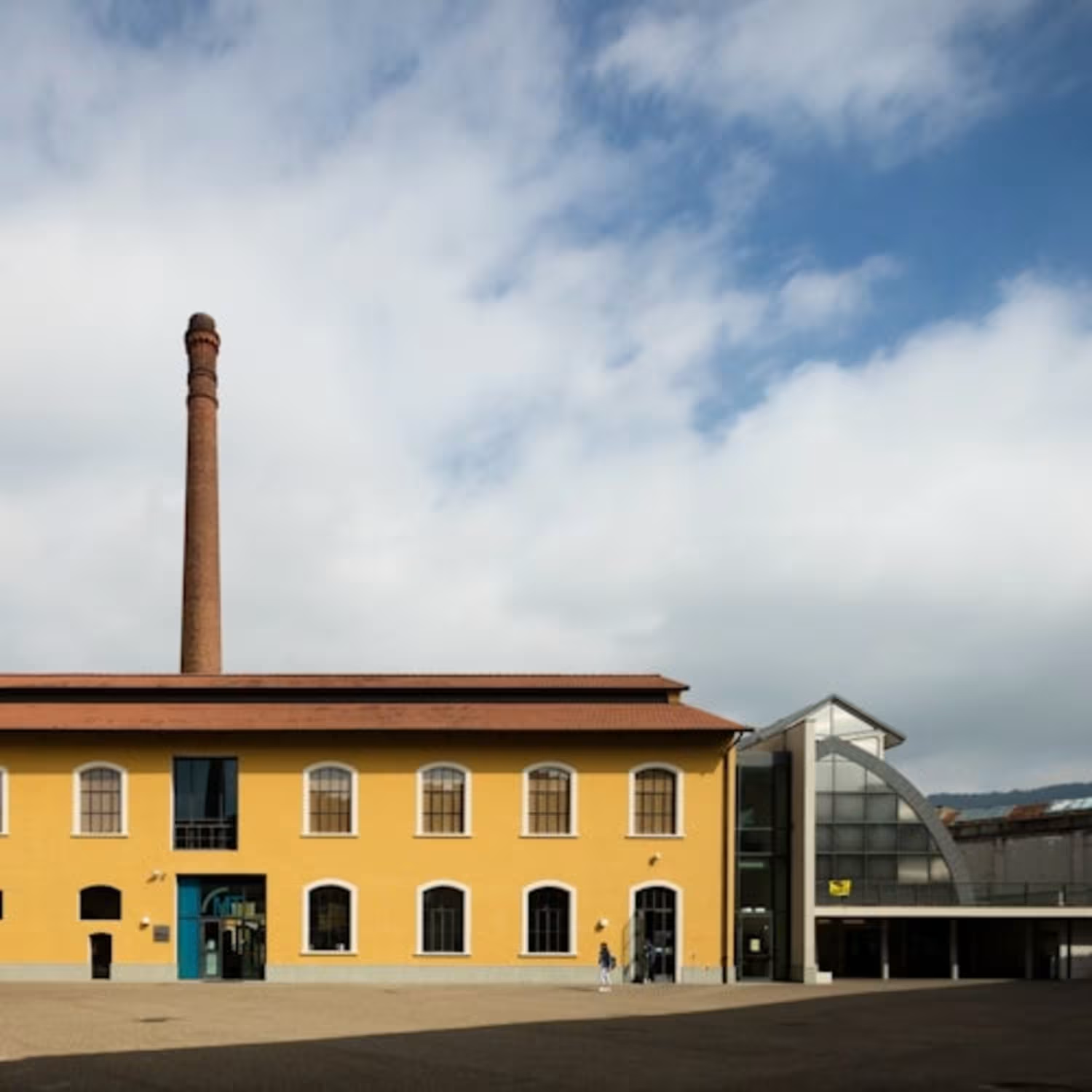
The museum is located inside the Cimatoria Campolmi, a restored industrial complex that once played a key role in Prato’s textile production—making the building itself part of the exhibition.
Prato is one of Europe’s most important textile cities
The museum exists where textile history actually happened. Prato has been a major center for fabric manufacturing since the Middle Ages and remains influential in the global textile industry today.
The museum bridges ancient textiles and modern fashion
Its collections span from historic fabrics and techniques to contemporary textile design, showing how traditional craftsmanship continues to influence modern fashion and industry.
It holds one of Italy’s notable textile collections
The museum preserves thousands of textile samples, garments, and fabrics, making it one of Italy’s most important institutions dedicated solely to textile heritage.
Asian and Eastern textiles are part of the collection
In addition to European fabrics, the museum includes textiles from Asia and the East, highlighting global influences on Italian and European textile design.
Fashion lovers will recognize its relevance
The museum frequently explores the relationship between textiles and fashion, making it especially appealing to visitors interested in luxury fashion, fabric innovation, and design history.
It was founded in the 1970s to protect a living industry
Established in 1975, the museum was created not just to preserve the past, but to document and support an industry that was—and still is—economically vital to the region.
The exhibitions change regularly
Alongside permanent collections, the museum hosts temporary and rotating exhibitions, ensuring repeat visits offer new perspectives on textiles, fashion, and materials.
It’s a research and education center, not just a museum
The Textile Museum plays an active role in research, conservation, and education, collaborating with designers, historians, and institutions worldwide.
It’s an easy cultural escape from Florence crowds
Located just 30 minutes from Florence by train, the museum offers a quieter, more immersive cultural experience away from the city’s busiest tourist routes.
Image Gallery Title
 English
  Italiano
  Español
  Français
  Deutsch
  Português